China Top Portable Energy Monitor Manufacturers?
China’s expanding electricity demand is raising the need for accurate, field-ready measurement tools. The International Energy Agency’s Electricity 2024 report projects global electricity demand to grow by 3.4% annually through 2026. In China, the National Energy Administration reported approximately 9.85 trillion kilowatt-hours of electricity consumption in 2024. These figures create practical demand for a reliable Portable Energy Monitor in factories, laboratories, service vehicles, and commercial buildings.
A strong manufacturer should offer more than a compact screen and rechargeable battery. Buyers should examine measurement accuracy, sampling speed, data logging, display readability, safety certifications, and software compatibility. A technician checking a 230-volt circuit needs stable readings, clear overload warnings, and a housing that survives dust and repeated transport. USB-C charging and exportable CSV files also matter during long inspection rounds.
This guide reviews leading China-based Portable Energy Monitor manufacturers through product capability, production experience, quality systems, customization support, and export performance. Public rankings remain limited, however. Some supplier claims rely on factory profiles rather than independently audited data. That weakness deserves attention. Certifications should be verified against current records, not accepted from website images alone. Testing reports, calibration procedures, warranty terms, and customer references provide stronger evidence of reliability. The comparison therefore focuses on practical proof, not promotional language. Suppliers with responsive engineering teams may outperform larger brands when projects require custom probes, firmware changes, or private labeling. That is not always obvious.
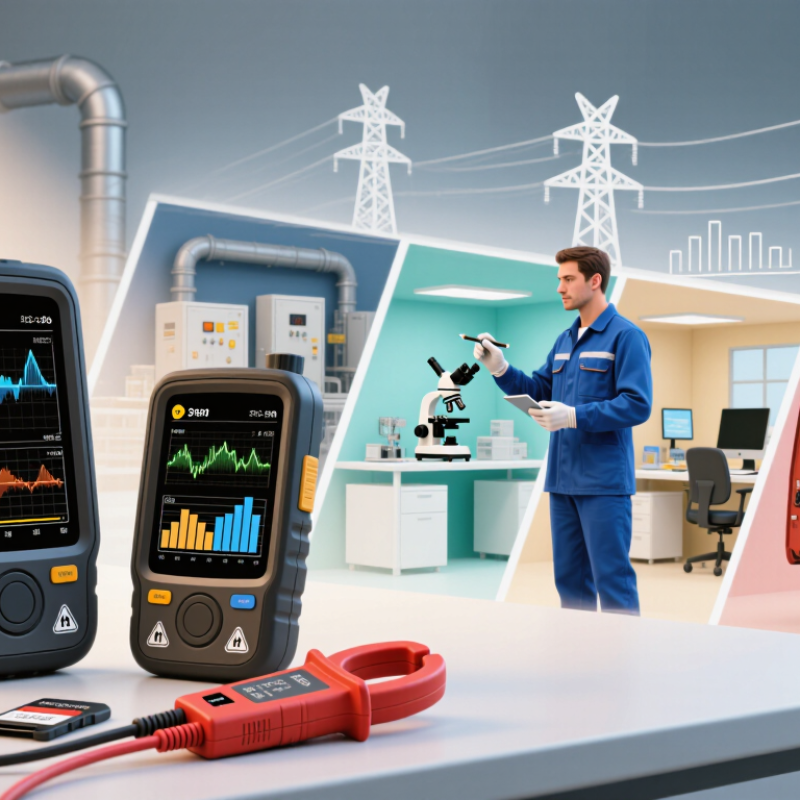
What Is a Portable Energy Monitor and How Does It Work?
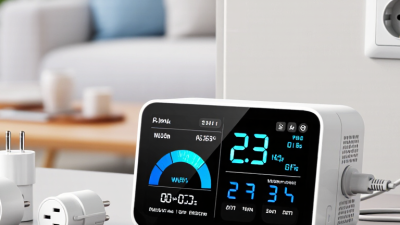
A portable energy monitor measures electricity without permanently rebuilding a circuit. Most models use a current transformer clamp around a live conductor. The clamp senses magnetic changes, while voltage information comes from a socket or connected meter. A processor multiplies voltage and current to estimate real power in watts. It also records energy use in kilowatt-hours. The difference matters. A kettle may show 1,500 watts instantly, but its daily energy depends on operating time.
Some monitors use shunt sensors instead. These measure tiny voltage changes across a calibrated resistor. They can be precise, but installation requires greater care. Portable units usually display live demand, accumulated consumption, voltage, frequency, and sometimes power factor. A small screen can reveal a refrigerator cycling at night or a charger drawing power after use. Useful evidence, not guesswork.
The U.S. Department of Energy states that standby power can represent 5–10% of residential electricity use. The IEA’s Electricity 2024 report also projects global electricity demand growth of about 3.4% annually through 2026. This increases interest in practical measurement tools, including products assembled by Chinese manufacturers. Buyers should examine stated accuracy, sampling speed, data storage, battery endurance, and electrical safety documentation. A monitor showing 0.02 kilowatts may still miss short peaks. That is easy to overlook. Readings can also drift with poor clamp placement or distorted loads, so one measurement should not become a final verdict.
Key Product Features Offered by China’s Leading Manufacturers
China’s leading portable energy monitor manufacturers are focusing on practical accuracy, compact design, and safer field operation. The IEA’s Electricity 2024 report projects global electricity demand will grow by an average of 3.4% annually through 2026. That pressure makes real-time measurement more valuable for technicians, facility managers, and mobile power users.
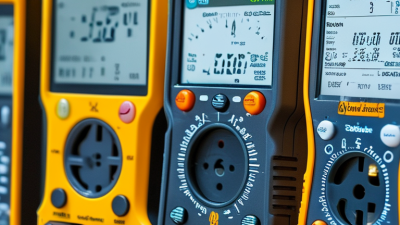
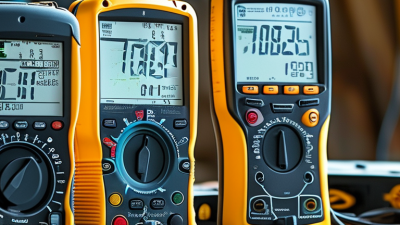
Key products commonly combine voltage, current, power, energy consumption, frequency, and power factor readings. Clear LCD or mobile interfaces help users spot abnormal loads beside a generator or battery pack. Many models include data logging, USB or wireless communication, overload alarms, and rechargeable batteries. Good products also support stable measurements across changing loads. However, wireless convenience can create pairing failures. Manufacturers should explain this risk clearly.
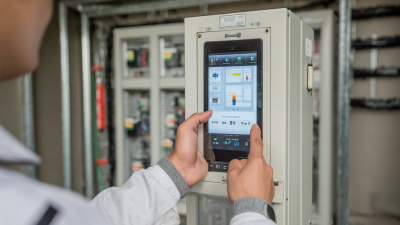
Portable units increasingly use current clamps, insulated housings, and automatic range selection. These features reduce contact with live conductors and simplify checks in cramped electrical cabinets. Design quality still varies. A small enclosure may overheat during prolonged high-current measurement. That assumption deserves testing. IEC 61557-12 provides a useful reference for power monitoring equipment performance. Ember’s Global Electricity Review 2024 reports that clean sources produced 30% of global electricity in 2023. As distributed solar and storage expand, monitors must handle bidirectional flows and unstable waveforms. Buyers should verify calibration procedures, accuracy across the stated range, battery endurance, and protection ratings before deployment.
Quality Standards, Certifications, and Manufacturing Capabilities
China Top Portable Energy Monitor Manufacturers?
Quality Standards, Certifications, and Manufacturing Capabilities
Reliable portable energy monitor manufacturers usually control quality from component sourcing to final calibration. During supplier audits, check whether production records match the shipped model. A clean factory floor helps, but traceable testing matters more. Manufacturers should maintain documented procedures under ISO 9001 or an equivalent quality system. They should also verify voltage, current, power factor, energy accuracy, display stability, and battery performance.
Certification requirements depend on the target market and product design. Common evidence may include CE, RoHS, EMC, and electrical safety testing based on applicable IEC standards. A monitor with wireless functions may require additional radio compliance. Battery-powered units can need transport and battery safety documentation. Ask for test reports, not only certificate numbers. Confirm that the report identifies the exact model, revision, and factory.
Manufacturing capability is visible in calibration equipment, aging tests, and failure analysis records. Strong suppliers use reference meters and controlled fixtures for repeated measurements. They can support firmware updates, enclosure tooling, packaging checks, and small pilot orders. They should explain their tolerance limits clearly. Some suppliers overstate accuracy before testing real loads. That deserves caution. Request samples under different voltages, loads, and temperatures. Review the data with an independent engineer when the application is safety-sensitive. Supplier communication also reveals practical experience. Slow answers may signal weak documentation, even when the factory appears impressive.
How to Choose the Right Chinese Manufacturer for Your Needs
China Top Portable Energy Monitor Manufacturers?
How to Choose the Right Chinese Manufacturer for Your Needs
Choosing a Chinese portable energy monitor manufacturer requires more than comparing factory prices. Start with your actual use case: household backup, field service, laboratory testing, or industrial maintenance. Ask for measured ranges, accuracy at low loads, battery runtime, display readability, and operating temperature. Small details matter. A monitor that works indoors may fail beside a cold generator. Request a production sample, not only a polished presentation unit.
During supplier checks, review calibration procedures, incoming-component controls, and final inspection records. A capable manufacturer should explain test equipment and acceptance limits clearly. Ask whether every unit receives a serialised test report. Check relevant safety and electromagnetic compatibility documentation for your destination market. Do not accept vague claims such as “high precision.” Compare readings against a trusted reference meter under several loads. This exposes unstable sensors.
Communication quality often predicts delivery reliability. Confirm engineering response times, firmware-change control, packaging protection, spare parts, and warranty handling in writing. A factory visit or live video inspection can reveal workstation discipline, storage conditions, and testing practices. Remote checks can miss problems. Low pricing deserves careful questions. It may reflect efficient production, but it may also hide weaker components or limited support. I would leave room for doubt, because one successful sample proves little. Choose the supplier that documents limits honestly and improves after your criticism.
China Top Portable Energy Monitor Manufacturers? How to Choose the Right Chinese Manufacturer for Your Needs
Estimated operating time at a continuous 100 W load based on rated battery capacity. The estimate assumes 85% usable energy after conversion losses, helping buyers compare capacity claims during manufacturer evaluation.
Before placing an order, verify battery test reports, protection features, rated capacity, quality-control procedures, and after-sales support. Actual runtime varies with load, temperature, battery age, and conversion efficiency.