How to Choose the Best Hybrid Inverter Display for Your Needs?
Choosing the right Hybrid Inverter Display is crucial for optimizing energy management. With various models on the market, making an informed choice can be overwhelming. This display provides vital information about energy production and consumption, allowing users to maximize efficiency.
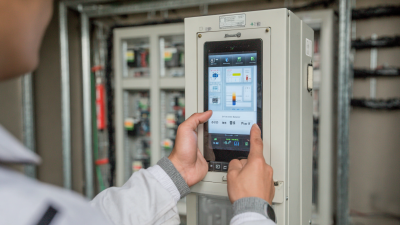
Consider factors such as size, readability, and features. A clear display can make a significant difference when monitoring performance. Look for touch screens or app connectivity for easier navigation. However, some may find advanced features unnecessary. It's essential to balance your needs with available options.
Many users overlook the importance of compatibility. Ensure your hybrid inverter works seamlessly with the display. Sometimes, expert recommendations can guide your choice. Local installers often have insights based on real-world experience. A well-informed decision today can lead to better energy management tomorrow.
Factors to Consider When Selecting a Hybrid Inverter Display
Choosing a hybrid inverter display involves careful consideration of several key factors. The display type, for example, significantly affects usability. Touchscreen interfaces often offer greater interactivity, while LCD screens generally provide clear visibility in various lighting. Evaluating user-friendliness is crucial to ensure that you can easily navigate settings without frustration.
Another important aspect is the display size. A larger screen tends to be easier to read, especially from a distance. However, it may require more space for installation. Resolution is equally vital. Higher resolution displays provide clearer information and better graphics, enhancing your overall experience. It's essential to balance size and clarity based on your specific needs.
Durability and reliability should not be overlooked. You want a product that can withstand various environmental conditions. Waterproof and dustproof features may be necessary if you're installing the display outdoors. Additionally, consider customer support and warranty options. Reliable support can provide peace of mind, ensuring that any issues are addressed promptly. Reflecting on these factors will lead to a more informed decision.
The Importance of Screen Size and Resolution in Inverter Performance
When choosing a hybrid inverter display, screen size and resolution play critical roles. A larger screen allows for more information at a glance. Users can monitor critical data without squinting. However, bigger isn't always better. If the display is too large for your installation space, it might detract from the overall design. It's vital to balance size with your environment.
Resolution also significantly affects performance. Higher resolution displays provide clearer visuals and smoother navigation. A screen with low resolution can make important data difficult to read. This could lead to misinterpretations. Yet, it's essential to consider the eye strain that can occur with overly detailed graphics. An ideal display offers clarity without overwhelming the user.
Choosing the right display involves personal needs and preferences. Think about your typical use. Do you need to check data frequently? Will you have others view the screen as well? These questions guide your decision. With the right focus on size and resolution, you can enhance your experience while optimizing overall inverter functionality.
How to Choose the Best Hybrid Inverter Display for Your Needs? - The Importance of Screen Size and Resolution in Inverter Performance
| Screen Size (inches) |
Resolution (pixels) |
Brightness (nits) |
Viewing Angle (degrees) |
Features |
| 5 |
800 x 480 |
300 |
160 |
Touchscreen, Backlight |
| 7 |
1024 x 600 |
400 |
170 |
Wi-Fi, Bluetooth |
| 10 |
1280 x 800 |
500 |
180 |
App Support, High Contrast |
| 12 |
1920 x 1080 |
600 |
178 |
Multi-Language Support, Graphical Display |
| 15 |
2560 x 1440 |
800 |
178 |
HDMI Output, Customizable Interface |
Evaluating User Interface Design for Efficient Energy Management
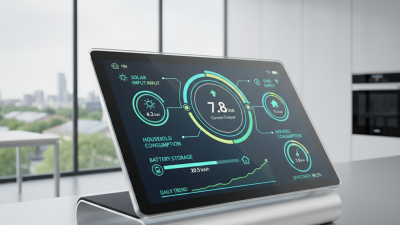
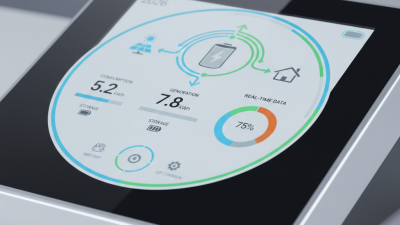
When selecting a hybrid inverter display, the user interface design significantly affects your energy management experience. A well-designed interface allows for easy monitoring of energy consumption and generation. You want a layout that is intuitive. An engaging visual representation can simplify complex data.
Consider clarity and accessibility. Icons should be easily understood. Data should be presented in a digestible format. Charts and graphs can help visualize performance trends over time. An effective user interface enhances your ability to make informed decisions.
Tip: Look for customizable options. Personalization can improve your overall experience. Adjusting settings directly from the screen should be straightforward.
Keep in mind that user feedback is vital. You can gain insights into the interface's practical use. Test various models. Pay attention to how quickly you learn to navigate the system. Sometimes an appealing design may fail in functionality. Reflections on usability can shape future upgrades.
Comparing Communication Protocols in Hybrid Inverter Displays
When choosing a hybrid inverter display, understanding communication protocols is crucial. Communication protocols determine how data is transmitted between the inverter and monitoring systems. Common protocols include Modbus, CAN, and RS-485. Each has unique features that impact performance.
Modbus is popular for its simplicity. It allows multiple devices to connect in a network. However, it may not be as fast as newer protocols. On the other hand, CAN protocol offers higher speeds and robustness. It is ideal for complex systems. Yet, it might be overkill for simpler setups. Consider your specific needs when selecting.
**Tips:** Ensure compatibility between your inverter and display. Check if the protocol supports your requirements. Assess if faster communication will improve your experience or if it adds unnecessary complexity. Test different displays to find the best fit. Strive for functionality without overwhelming yourself with features you may never use.
Comparison of Communication Protocols in Hybrid Inverter Displays
Analyzing Real-Time Data Capabilities for Optimal Energy Monitoring
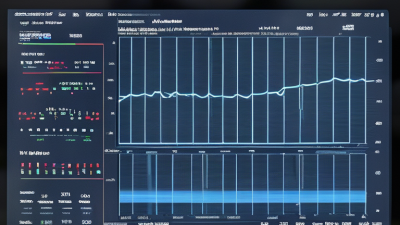
When selecting a hybrid inverter display, real-time data capabilities are crucial. These features allow users to monitor energy generation and consumption instantly. A display that provides clear visuals can enhance your understanding of energy flow. Moreover, intuitive interfaces can help simplify data interpretation. Observing performance trends over time supports better energy management decisions.
Consider the importance of customization options. Some displays allow users to track specific appliances or systems within their home. This granular data can reveal patterns in energy use and identify cost-saving opportunities. However, not all displays offer the same level of detail. Ensure the selected display meets your monitoring needs effectively.
Accuracy is another vital factor. Real-time data should reflect actual energy performance without significant lag. Delays can lead to misguided decisions. It’s essential to research how different models perform in real-world scenarios. Feedback from existing users often highlights common pitfalls. In this rapidly evolving market, being informed can help you navigate the options available.