2026 Best Hybrid Inverter Display Features and Benefits?
In recent years, hybrid inverters have transformed renewable energy management. The demand for efficient energy solutions is growing rapidly, with a market projected to reach $20 billion by 2026. Among these, the Hybrid Inverter Display stands out for its interactive features and user-friendly design. This technology provides users with real-time data, ensuring better monitoring of energy consumption and generation.
Many consumers now prioritize devices that offer intuitive interfaces. A recent survey indicated that over 75% of users prefer displays that simplify complex data. Hybrid Inverter Displays cater to this need, presenting information clearly. However, some existing models still struggle with usability. The challenge lies in balancing advanced features with accessibility.
As the hybrid inverter market evolves, the need for innovation is critical. Industry leaders emphasize reliability and sustainability in display technologies. An effective Hybrid Inverter Display not only informs users but also enhances their energy management strategies. However, continuous improvements and user feedback are essential to fully realize its potential. Users must reflect on their experiences to drive this innovation.
Overview of Hybrid Inverter Technology and Its Importance
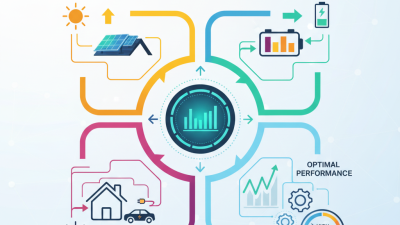
Hybrid inverters have become increasingly important in today’s energy landscape. They seamlessly integrate solar energy, battery storage, and grid power. This combination maximizes efficiency and provides flexibility in energy usage. Understanding hybrid inverter technology offers insights into sustainable energy solutions.
These inverters convert and manage energy, ensuring optimal performance. They allow users to store excess solar energy for later use, which is particularly beneficial during peak usage times or outages. By utilizing both solar power and grid electricity, users can save on energy costs while reducing their carbon footprint.
Tips: When selecting a hybrid inverter, consider the system’s efficiency rating. Higher ratings typically lead to better energy management. Pay attention to the inverter's display features as they provide crucial information. User-friendly interfaces can enhance your experience. Look for options that indicate battery levels and energy production at a glance. A good display allows better monitoring of energy flow.
Hybrid inverters are still developing. Many users struggle with understanding their features. Training and support materials from installers can aid in maximizing the system’s capabilities. Exploring various models can help find the right fit and smooth out any issues in setup or operation.
Key Display Features of the Best Hybrid Inverters in 2026
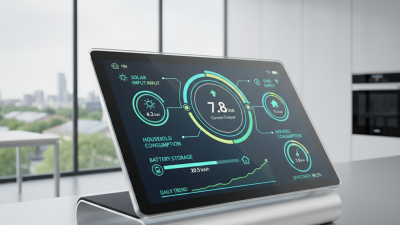
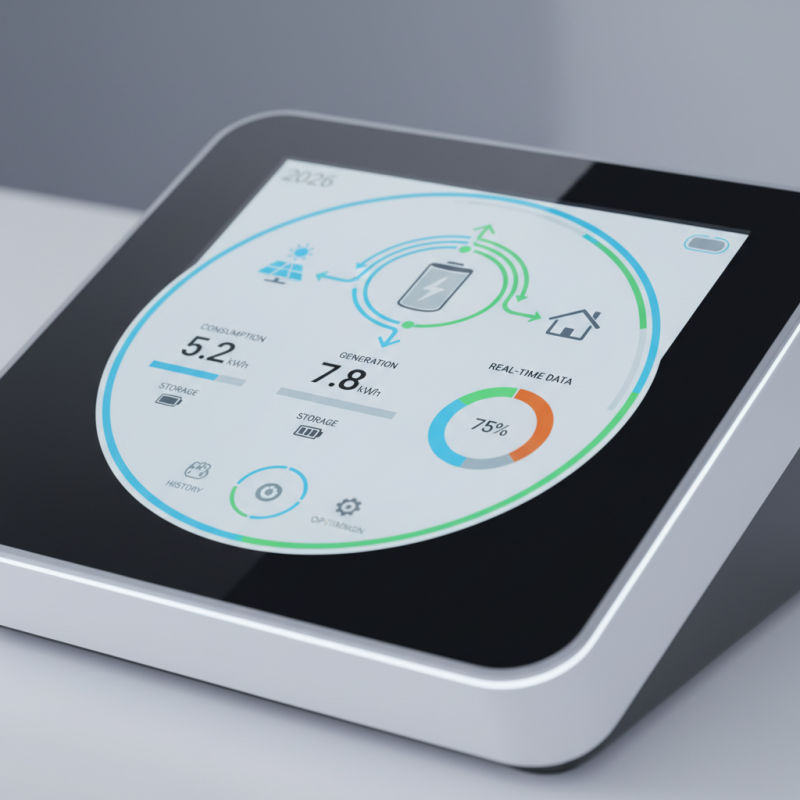
In 2026, the best hybrid inverters will boast advanced display features that enhance user experience. A clear, intuitive interface is crucial for easy navigation. Look for models with high-resolution screens that show real-time data clearly. Information such as battery status and energy consumption should be readily visible. An engaging visual display can significantly improve usability.
User-friendliness remains a key aspect. Simplified icons and color-coding can make a difference. Understanding your inverter's performance becomes effortless. Some displays even allow for customization. This feature empowers users to prioritize the data they find most relevant.
Tips: Always check the display for responsiveness. A lagging interface can lead to frustration. Opt for inverters that allow you to adjust brightness for optimal viewing in different conditions. Additionally, regular software updates can improve functionality and add new features. This proactive approach enhances long-term reliability.
2026 Best Hybrid Inverter Display Features and Benefits
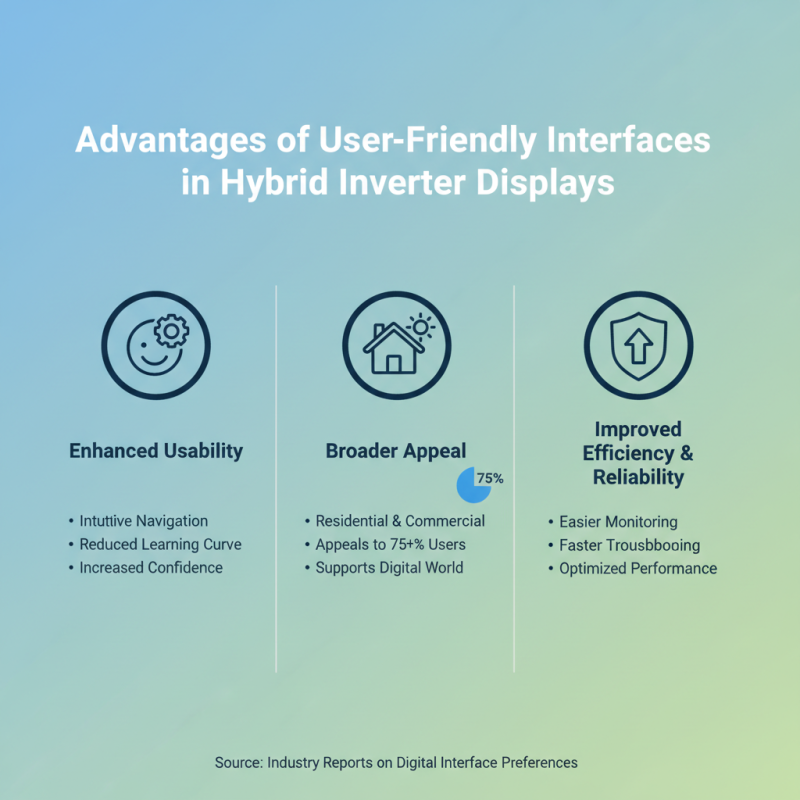
Advantages of User-Friendly Interfaces in Hybrid Inverter Displays
User-friendly interfaces in hybrid inverter displays offer significant advantages for both residential and commercial users. With an increasingly digitalized world, intuitive displays enhance usability. According to industry reports, over 75% of users prefer interfaces that provide straightforward navigation. This preference is crucial in multi-functional devices like hybrid inverters.
A clear graphical user interface (GUI) simplifies monitoring and management of energy systems. Users can easily access real-time data on energy production and consumption. A study found that 62% of energy system owners reported increased satisfaction with displays that featured clear icons and color-coded indicators. These visual aids reduce the chances of operational errors. Still, some displays remain overly complex, making it hard for users to interpret data efficiently.
Customizable interfaces further boost user engagement. Users can tailor settings according to personal preferences, which enhances the overall experience. However, not all inverter interfaces allow for this customization. This limitation can frustrate users seeking optimal performance. Continuous innovation is essential to keep up with user needs while addressing such shortcomings. The future of hybrid inverters will likely emphasize improving these interfaces based on user feedback.
Impact of Real-Time Monitoring on Energy Efficiency and Performance
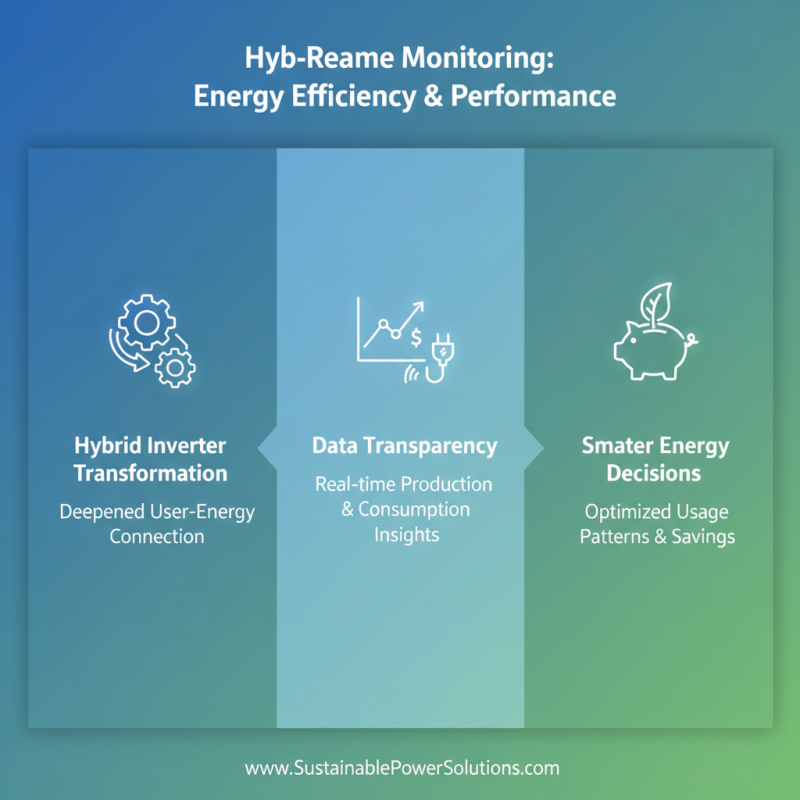
Real-time monitoring is transforming how hybrid inverters operate. This feature fosters a deeper connection between users and their energy consumption. By showcasing real-time data, users can see exactly how much energy is being produced and consumed. This transparency encourages smarter energy decisions. Users become more aware of their usage patterns, leading to potential savings.
Moreover, monitoring enhances energy efficiency. When users receive alerts on performance issues, they can address them promptly. This proactive approach minimizes downtime and increases overall system resilience. However, the technology isn't perfect. Users may face challenges in understanding complex data or experience occasional connection problems. It's essential to provide educational resources that help users interpret the information effectively.
The convenience of viewing metrics from a mobile app or dashboard is appealing. Users appreciate the ability to track their systems anytime, anywhere. But, with frequent updates, some may feel overwhelmed by excessive data. Balancing the amount of information presented is crucial for a positive user experience. Ultimately, real-time monitoring can greatly improve performance, but user support must keep pace with technological advancements.
Future Trends in Hybrid Inverter Displays and Smart Technology Integration
The integration of smart technology in hybrid inverter displays is revolutionizing energy management. Users can now benefit from real-time data. This enhances monitoring and control of energy consumption. The interfaces are becoming more user-friendly. Visualizations allow users to track energy generation and usage. Such features empower homeowners and businesses alike.
Future designs may include touchless controls and voice commands. Users want seamless interaction with their energy systems. However, these advancements also bring challenges. Security concerns around data privacy must be addressed. There is a balance to strike between convenience and safety.
Tips: Regular software updates are crucial for security. Always use strong passwords for your connected devices. Stay informed on the latest features available. Understanding your system's capabilities will enhance your experience. Be mindful of how you utilize smart tech to avoid over-reliance. It's essential to maintain a balance between technology and manual oversight.
2026 Best Hybrid Inverter Display Features and Benefits
| Feature |
Benefit |
Future Trend |
| Smart Integration |
Allows for seamless connection with home automation systems. |
Increased focus on IoT connectivity for enhanced user experience. |
| Real-Time Monitoring |
Users can see energy production and consumption data instantly. |
Shift towards AI-powered analytics for predictive maintenance. |
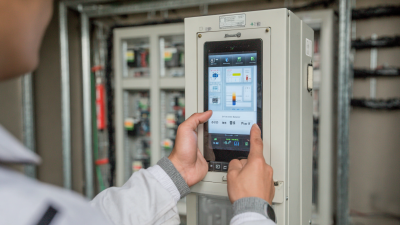
| Interactive Touchscreen |
User-friendly interface enhances accessibility and ease of use. |
Adoption of larger, high-definition displays with customizable interfaces. |
| Mobile App Connectivity |
Allows users to manage their systems remotely through smartphones. |
Integration with smart home apps for more comprehensive control. |
| Customizable Alerts |
Notifications about system performance can help in preventive measures. |
Use of machine learning to predict system needs and send alerts accordingly. |