Top 10 Tips for Choosing Projector Replacement LCD Panels?
Choosing the right Projector Replacement LCD Panel is crucial for optimal performance. The projector market is expected to grow significantly, with research indicating a CAGR of 8.6% from 2022 to 2029. Ensuring your projector operates efficiently means selecting high-quality panels that match your model. Subpar panels can lead to decreased image quality, ultimately affecting your viewing experience.
Experience shows that not all LCD panels are created equal. Technicians often report that many cheap replacements fail after a short period. Investing in reliable components is essential. For instance, trusted brands often provide warranties, which can add a layer of security to your purchase. Remember, the quality of the panel directly influences brightness, color accuracy, and overall longevity.
Understanding the specifications of your existing projector can be daunting. Users frequently overlook compatibility, leading to frustrations. Take time to research and compare options carefully. A well-informed decision will not only enhance your projector's performance but also ensure you receive value for your investment. It may take extra effort, but the outcome is worth it.

Understanding the Functionality of LCD Panels in Projectors
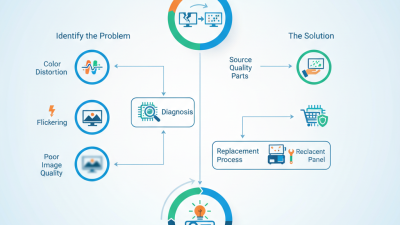
LCD panels play a crucial role in projectors, serving as the heart of image display. They convert light into visual images by manipulating liquid crystals. When light passes through these crystals, they align differently to create colors. Understanding this basic functionality is key when considering replacements. A malfunctioning LCD can lead to poor image quality, blurring, or color distortion.
When choosing a replacement panel, pay attention to resolution and aspect ratio. High-resolution panels yield sharper images. Compatibility with your projector model is vital. Mismatched panels can lead to issues like improper sizing or image misalignment. Additionally, check if the panel has been tested for durability. Some might not last long under high usage, affecting your viewing experience.
For those new to projector maintenance, it can be overwhelming. Many underestimate the significance of quality in LCD panels. Some may opt for cheaper alternatives, leading to regrets later. Investing in the right panel can enhance the overall viewing experience. Consider discussing with experts, as their insights can be invaluable. The balance between cost and quality is often delicate but essential for long-term satisfaction.
Identifying Your Projector Model and Specifications
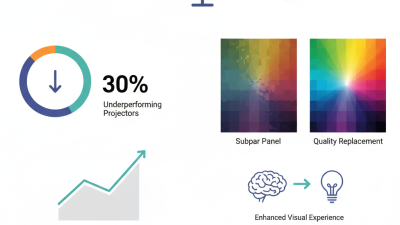
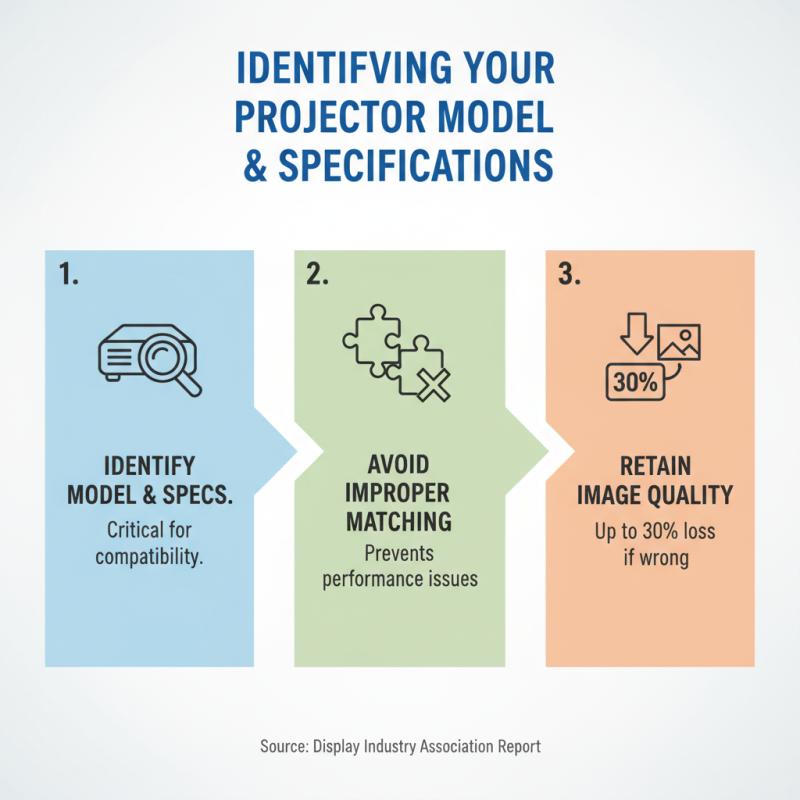
When choosing replacement LCD panels for your projector, the first step is to accurately identify your projector model and its specifications. Each projector has unique requirements that will impact the performance and compatibility of the replacement panel. According to a report by the Display Industry Association, improper matching of components can lead to a 30% decrease in image quality. Therefore, understanding your projector's model is critical.
Checking the specifications involves looking at the resolution, aspect ratio, and panel type. For instance, a 1920x1080 resolution projector will need a panel that supports full HD to maintain clarity. Make sure to document the current panel's specifications if available. This ensures you replace it with an equivalent or better option, thus avoiding potential issues.
Tip: Always consult the projector's user manual or the manufacturer’s guidelines for specific details. Another important aspect is to consider the warranty of the replacement panel. Reliable panels often come with warranties that can assure performance longevity. Investing in a quality panel can prevent premature failures and enhance viewing experience.
Evaluating Quality and Compatibility of Replacement Panels
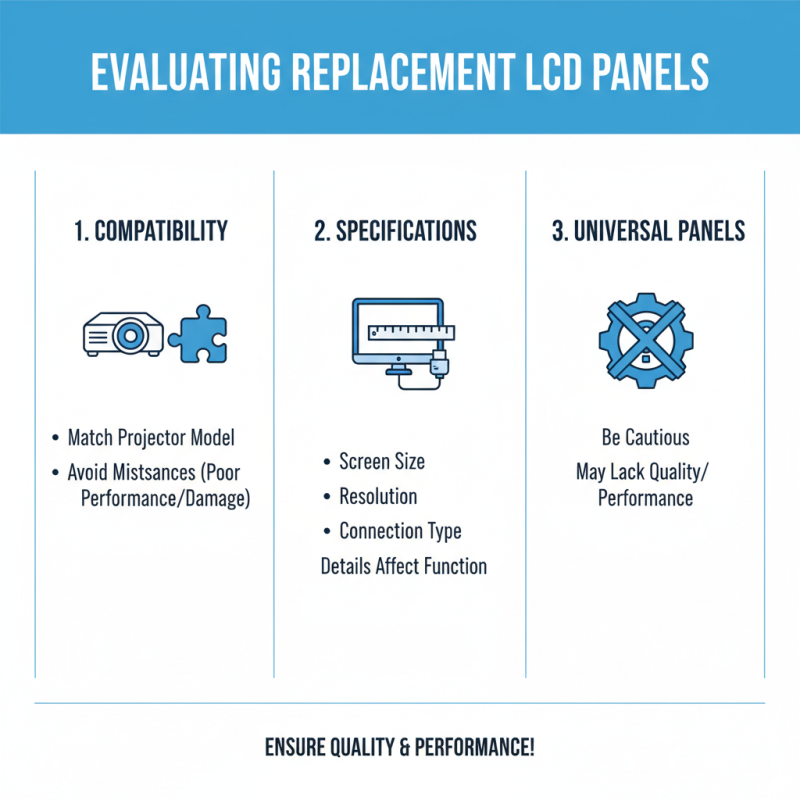
When selecting replacement LCD panels for projectors, compatibility is crucial. You must ensure that the new panel fits your projector model. A mismatch can lead to inadequate performance or even damage. Take note of specifications like screen size, resolution, and connection types. These details might seem minor, but they affect overall functionality. Be cautious of panels that claim universal compatibility; they may not deliver the quality you expect.
Evaluating the quality of replacement panels is equally important. Look for reviews and customer feedback. Genuine user experiences can reveal potential issues. Manufacturers may not always highlight weaknesses in their products. Consider factors like brightness, contrast ratio, and color accuracy. Unexpectedly low prices may indicate inferior quality. Reputable panels often come with warranties, providing assurance of their durability. Make your choice wisely and avoid rushing the decision.
Comparing Prices and Warranties from Different Suppliers
When replacing projector LCD panels, pricing and warranties can significantly affect your decision. Suppliers often offer a range of prices that reflect quality and performance. It is crucial to compare similar products to gauge value. Some may advertise low prices, but hidden costs could arise later. A detailed comparison saves money in the long run.
Warranties provide peace of mind. A longer warranty often indicates better quality or confidence from the supplier. However, it is essential to read the fine print. Some warranties may have exclusions. Ask about the specifics. It’s wise to evaluate the customer service quality. Good support can save time during any issues.
Many may overlook the importance of researching multiple suppliers. A reputable supplier can make a big difference. Take time to read reviews and ask for recommendations. This can lead to discovering unexpected options or hidden gems. Always be mindful of your budget and needs. It might be tempting to go for the cheapest option, but that choice could prove costly down the line.
Top 10 Tips for Choosing Projector Replacement LCD Panels
| Dimension |
Price Range ($) |
Warranty Period |
Supplier Rating (1-5) |
| 16:9 Aspect Ratio |
100 - 200 |
1 Year |
4 |
| 4:3 Aspect Ratio |
80 - 150 |
6 Months |
3 |
| Short Throw |
120 - 220 |
2 Years |
5 |
| Long Throw |
150 - 300 |
1 Year |
4 |
| High Brightness |
200 - 400 |
1.5 Years |
5 |
| Low Power Consumption |
90 - 180 |
2 Years |
4 |
| Ultra HD Support |
250 - 500 |
3 Years |
5 |
| Remote Control |
50 - 100 |
6 Months |
3 |
| Portable Models |
80 - 250 |
1 Year |
4 |
| Lens Shift Capability |
150 - 300 |
2 Years |
5 |
Tips for Proper Installation and Maintenance of LCD Panels
Installing and maintaining LCD projector panels can be tricky. Proper installation starts with a clean workspace. Dust and debris can interfere with performance. Make sure to wear gloves to avoid fingerprints on the screens. Align the panel carefully in the projector housing. A misalignment can lead to color distortion or image problems.
Regular maintenance is essential for longevity. Clean the LCD panels gently using a microfiber cloth. Avoid harsh chemicals; they can damage the sensitive surfaces. Keep the projector in a well-ventilated area to prevent overheating. Check the connections regularly for corrosion. Faulty connections can lead to intermittent issues that are hard to diagnose.
Be mindful of the projector's environment. High humidity can affect the lifespan of LCD panels. Assess the room regularly and adjust as needed. Not every goal will be met perfectly. Trial and error is part of the process. Documenting your maintenance routine can help identify patterns in performance.