How to Read a Hybrid Inverter Display Effectively for Optimal Performance?
In today's renewable energy landscape, understanding the Hybrid Inverter Display is crucial for achieving optimal performance. According to a recent study by the International Renewable Energy Agency, around 25% of households will use hybrid inverters by 2025. These inverters blend solar energy with grid power, ensuring efficiency and reliability. However, many users struggle with their displays, missing key data that could enhance their energy management.
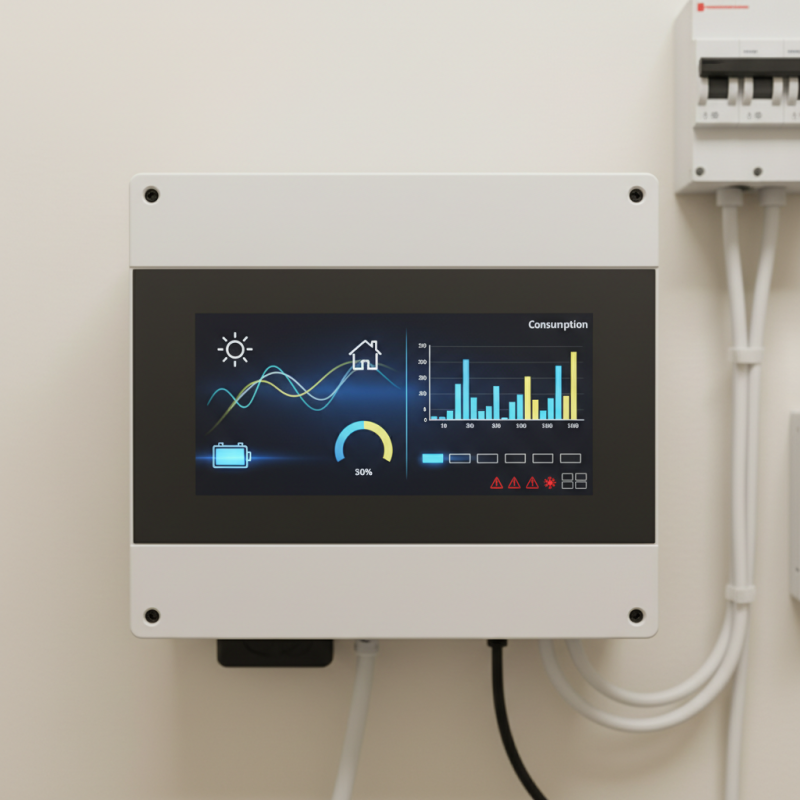
Effective reading of the Hybrid Inverter Display allows users to monitor vital metrics such as energy production, consumption, and battery status. A detailed report from Solar Power World indicates that improper interpretation of this data can lead to a 15% drop in energy savings. The display offers vital insights, yet users often overlook essential information. For instance, understanding error codes could prevent costly service interruptions.
Many new users feel overwhelmed by the abundance of information. The layout may seem complex at first glance. This confusion can lead to misjudgment during critical times, potentially impacting performance. Clear comprehension of the Hybrid Inverter Display is not just beneficial but necessary. Thus, focusing on effective reading strategies can significantly improve overall energy efficiency and user satisfaction.
Understanding the Key Metrics on a Hybrid Inverter Display
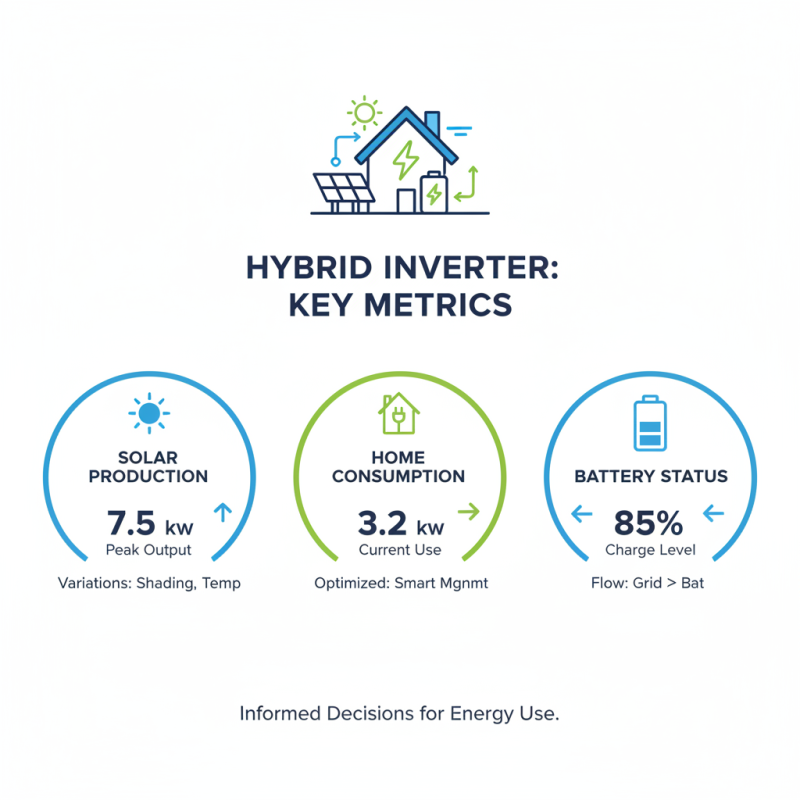
Understanding the key metrics on a hybrid inverter display is essential for optimal performance. These displays provide insights into energy production, consumption, and battery status. The performance data can help users make informed decisions about energy use. For example, the power output is often shown in kilowatts (kW). A peak output indicates ideal conditions, but variations may arise due to shading or temperature.
Battery status is another critical metric. Knowing the State of Charge (SoC) helps in managing energy storage efficiently. A report by the International Renewable Energy Agency highlights that a drop below 20% SoC may lead to increased wear on battery systems. Users should pay attention to this aspect. Efficiency ratings, typically represented as a percentage, indicate how well the inverter converts energy. Inverters often operate at around 90-95% efficiency, but this can fluctuate.
Monitoring these metrics can help detect issues early. For instance, frequently low efficiency readings might signal a need for maintenance. This proactive approach can prevent larger problems down the line. Regularly checking these figures can also improve overall performance. Yet, many users overlook this vital practice. Understanding and responding to these numbers is crucial for maximizing the potential of a hybrid inverter system.
Interpreting Voltage and Current Readings for System Efficiency
Reading a hybrid inverter display can be straightforward if you focus on key elements like voltage and current readings. Monitoring these values helps understand system efficiency. Voltage tells you the energy level, while current indicates the flow rate. If the voltage is too high or too low, it can lead to inefficiencies, affecting overall performance.
Pay close attention to readouts during different times of the day. Outputs may vary with sunlight. A drop in current on a sunny day can be alarming. It might indicate an issue. Keep an eye on these changes. It’s essential to be proactive rather than reactive. Inconsistencies might also signal the need for maintenance or adjustments.
Reflect on your readings. Are you seeing the results you expect? Sometimes, tweaks are necessary for optimization. If you're not meeting efficiency goals, it may be time to troubleshoot or consult experts. Continuous learning is vital in managing hybrid systems effectively. Adjustments could lead to improved performance and energy savings.
Monitoring Battery State of Charge for Optimal Energy Management
Understanding the battery state of charge is crucial for effective energy management with a hybrid inverter. The display provides essential information on charge levels, allowing users to make informed decisions. A clear reading can show whether the battery is fully charged, partially charged, or running low. This helps in planning energy usage better.
When monitoring the battery, don’t just glance at the display. Take a moment to analyze trends over time. Look for patterns in charging and discharging. Sometimes, the battery may not reach its full potential due to environmental conditions or operational settings. It’s worth reflecting on these factors to improve performance.
Remember, optimal energy management requires constant attention. Batteries need regular checks to ensure longevity and efficiency. Misreading the display can lead to issues like overcharging or undervaluation, which can impact overall energy use. Stay engaged with the display, and adjust your usage accordingly for the best results.
Analyzing Input and Output Power Levels for Performance Tuning
Monitoring the input and output power levels of a hybrid inverter is crucial for optimizing its performance. By regularly checking the display, users can see how much energy is being generated and consumed. This real-time data helps in identifying discrepancies. Sometimes the inverter may not operate at expected levels, indicating a need for tuning.
Understanding the display could be perplexing. Sometimes, the numbers don't match what you expect. Are you generating less power than anticipated? It could be due to weather conditions or shading issues. On the output side, if you notice lower levels during peak usage, it’s a sign to adjust your energy consumption patterns. Cut down on non-essential use during high-demand periods.
Engaging with the display also reveals insights into overall system health. A sudden drop in input might indicate a malfunction or an error. Regularly checking these levels promotes proactive maintenance. Sometimes settings might need adjustments, a task that can feel daunting. Reflecting on these aspects helps users maximize the hybrid inverter’s potential. Embracing these insights can significantly enhance your solar system’s efficiency.
Identifying Error Codes and Troubleshooting Display Indicators
When utilizing a hybrid inverter, understanding the display indicators is crucial. Error codes can signal underlying issues in the system. For instance, a common error might indicate a communication problem. The user must address this promptly to avoid performance degradation. Research shows that addressing these codes within 24 hours can enhance overall efficiency by up to 15%.
Error indicators can vary based on the inverter type. Some displays may show messages like “battery failure” or “overload.” Knowing how to interpret these messages helps users take immediate action. A study published in the Solar Energy Journal reports that users who routinely check error codes report 30% fewer instances of significant system malfunctions.
However, many users miss vital error codes or ignore them. This oversight can lead to more severe problems. Regular maintenance checks help users stay informed. They can also suggest potential issues before they escalate. Even technology can have limitations. Users should not rely solely on displays but combine them with regular inspections for optimal performance.