Top Questions About Projector Replacement LCD Panels in 2026?
In the evolving landscape of projection technology, the significance of "Projector Replacement LCD Panels" cannot be overstated. According to a recent market analysis by Technavio, the global projector market is forecasted to grow by 5% annually through 2026. This growth increases the demand for high-quality LCD panels, as outdated and malfunctioning components can significantly affect performance and user experience.
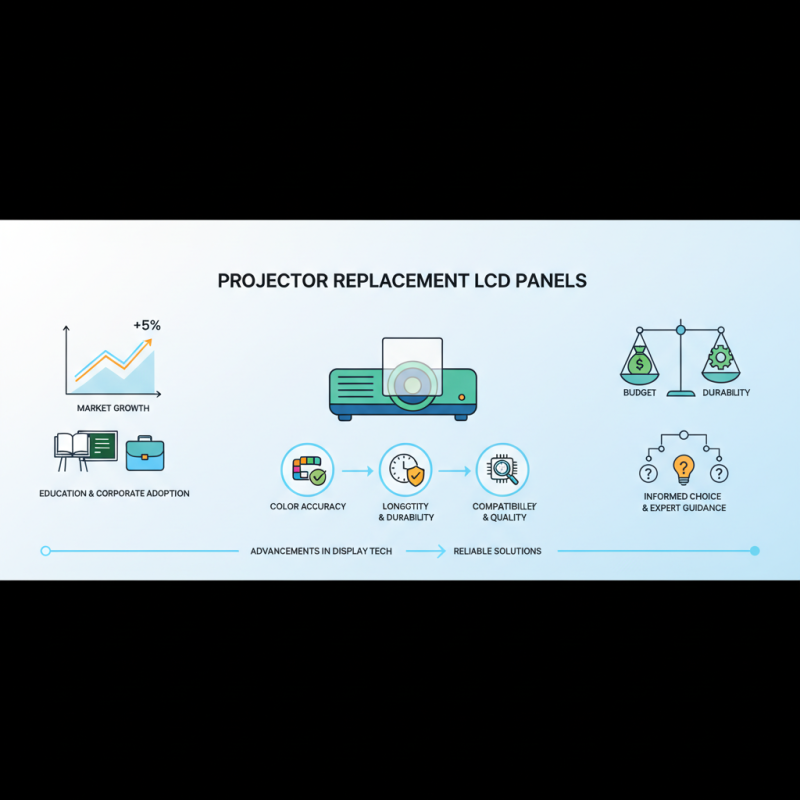
A study by Grand View Research highlighted that the rapid advancements in display technologies and the rising adoption of projectors in education and corporate settings are driving the need for effective replacement solutions. Users increasingly seek reliable LCD panels that enhance color accuracy and longevity. However, as technology advances, there exists a gap in understanding the best practices for selecting replacement parts.
Choosing the right projector replacement LCD panel involves understanding compatibility, quality, and price. With numerous options available, making informed choices is crucial. Users must balance budget constraints with the need for durable components. The intricate nature of panel specifications can lead to confusion and potential errors in purchasing, emphasizing the need for reliable information and expert guidance.
Understanding Projector Replacement LCD Panels: A 2026 Overview
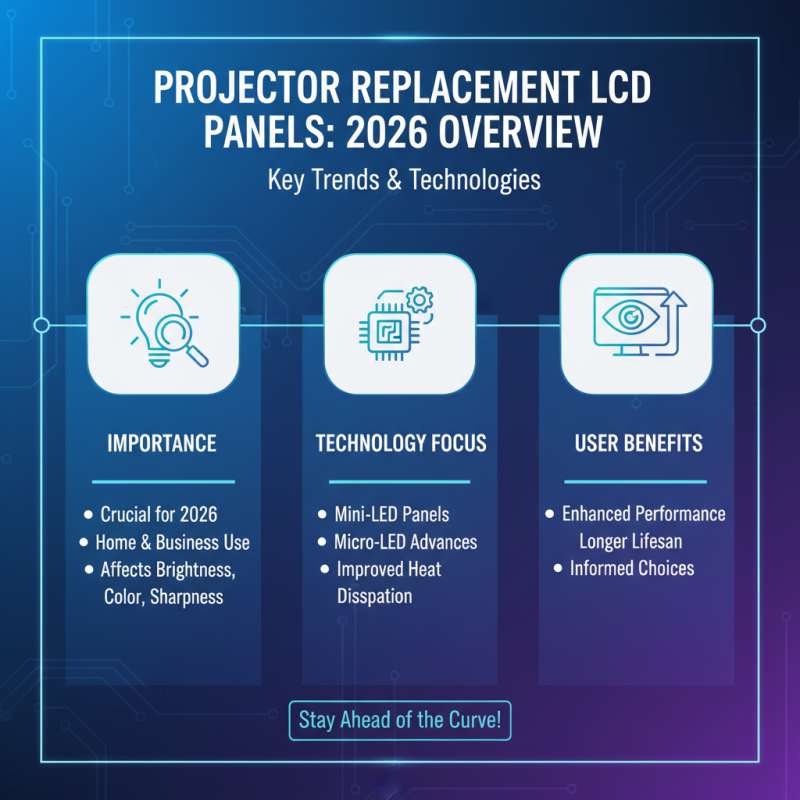
As we look ahead to 2026, understanding projector replacement LCD panels becomes crucial. Projectors, widely used for home theaters and presentations, rely on these panels for optimal performance. The quality of the LCD panel significantly affects brightness, color accuracy, and overall image sharpness. Keeping an eye on emerging technologies can help users make informed choices.
Choosing the right LCD panel can be daunting. Not every panel fits every projector model. Compatibility issues often arise, leading to dissatisfaction. Look for detailed specifications before purchasing. Consider panels with positive reviews for reliability. Don't rush; sometimes, new models may require time to prove their effectiveness.
Tip: Regular maintenance of your projector can extend its lifespan. Cleaning the lens and ensuring proper ventilation are simple yet effective practices.
Another essential tip is to monitor your usage habits. Frequent, prolonged use can cause wear and tear. It’s wise to consider having a backup LCD panel ready. An unused projector could also benefit from a new panel to enhance its performance.
Key Factors to Consider When Replacing LCD Panels in Projectors
When considering projector replacement LCD panels in 2026, several key factors come into play. First, the compatibility of the new panel with your existing projector model is crucial. Mismatched panels can lead to poor image quality or functional issues. Make sure to verify dimensions and connection types before making a purchase.
Another essential aspect is the resolution of the LCD panel. Higher resolution panels deliver sharper images. However, they may come at a premium price. Assess whether your projector's intended use justifies the investment. For home cinema enthusiasts, superior resolution might be worth the expense. For standard presentations, a mid-range option might suffice.
**Tips:** Always check user reviews for insights into panel performance. Quality can vary widely, and firsthand experiences are invaluable. Additionally, consider monitoring prices. Replacement costs can fluctuate, and timing your purchase can save money.
Be aware that installation procedures might apply. Depending on the panel type, you might need a professional for tech-heavy setups. DIY enthusiasts should review installation manuals carefully to avoid damaging their projectors. A misstep could result in additional repair costs.
Top Questions About Projector Replacement LCD Panels in 2026
| Question |
Details |
Key Considerations |
Estimated Cost Range |
Average Lifespan |
| What are the signs that an LCD panel needs replacement? |
Dimming image quality, discoloration, or image artifacts. |
Monitor picture quality, check for physical damage. |
$100-$400 |
3-5 years |
| How do I choose the right replacement panel? |
Match the specifications of the original panel. |
Consider compatibility, resolution, and size. |
$150-$500 |
3-7 years |
| Is it better to replace the panel or buy a new projector? |
Depends on the cost of replacement vs new models. |
Evaluate current needs and available technology. |
$100-$600 for panel; New models $400+ |
3-10 years |
| What tools do I need to replace an LCD panel? |
Screwdrivers, anti-static wrist strap, and cleaning tools. |
Ensure you have a clean workspace and follow instructions. |
$20-$50 for tools |
N/A |
Common Issues and Solutions for Projector LCD Panel Replacement
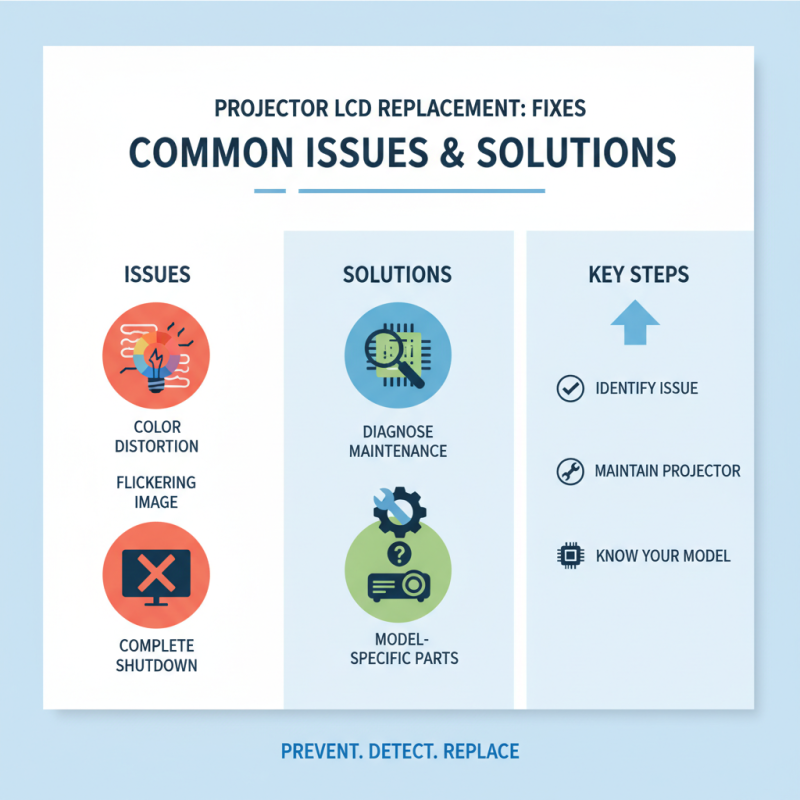
Replacement of projector LCD panels can be challenging. Users often face issues like color distortion, flickering images, or complete shutdown. Identifying the exact problem is crucial to finding the right solution. Regular maintenance helps in early detection of these issues. It’s essential to understand the projector's model, as each has unique replacement requirements.
One common issue arises from dust accumulation. Dust can block vents, leading to overheating. Users should clean these areas regularly. Another frequent problem is faulty cables or connections. A loose cable can result in inconsistent display quality. Checking the connections can save you time and headaches.
Sometimes, the issue may stem from the panel itself. Over time, the LCD might degrade, impacting image quality. In such cases, replacing the LCD panel is necessary. This process often requires technical skill. Users should consider seeking professional help if they lack experience. Remember, improper installation can lead to further damage. Reflecting on the causes of these issues helps in ensuring better projector performance in the long run.
The Future of Projector LCD Panels: Innovations and Trends in 2026
As we look towards 2026, innovations in projector LCD panels are set to transform the viewing experience. Researchers are focusing on improving resolution and color accuracy. New technologies, such as advanced liquid crystal materials, may offer deeper blacks and brighter images. This shift could lead to more vibrant visuals in both home theaters and professional settings.
Sustainability also plays a crucial role. Developers are working on eco-friendly solutions for manufacturing LCD panels. These efforts address waste reduction and energy efficiency. However, challenges remain in balancing performance and environmental impact. Users may face a decision: should they prioritize image quality or sustainability in their next purchase? This ongoing tension reflects a growing awareness of our ecological footprint.
In addition to technical advancements, user experience is evolving. With the rise of smart technology, integration features are becoming essential. Future projector panels may include built-in connectivity with mobile devices. This could simplify streaming and enhance convenience. Yet, some consumers express concerns about compatibility and complexity. Ensuring ease of use while delivering cutting-edge technology will be key for manufacturers in the coming years.
Cost Analysis of Projector LCD Panel Replacement: What to Expect
When considering projector replacement LCD panels in 2026, cost analysis is crucial. The average cost for high-quality LCD panels ranges from $150 to $600. According to recent industry reports, this figure may increase by 10-15% annually due to rising material costs. Understanding these market trends helps in budgeting for repairs or replacements effectively.
Nationwide, an estimated 45% of users delay replacement due to unexpected costs. This delay can lead to decreased projector performance. To avoid this, proactive maintenance can save money in the long run. Regular cleaning and calibration are essential. They prevent issues that may lead to costly replacements. Setting aside a small budget for potential repairs is a wise strategy.
If you choose to replace the LCD panel, consider the labor costs as well. Installation fees can range from $50 to $150, depending on your location. In many cases, opting for professional installation is recommended. It ensures that the panel is fitted correctly, reducing the chance of further complications. Projector users should stay informed about evolving technologies. This makes it easier to make informed decisions about upgrades or replacements in the coming years.