What is a Portable Energy Monitor and How Does It Work?
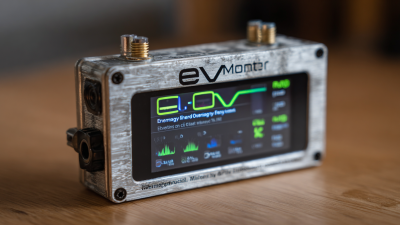
As energy efficiency becomes increasingly important, the role of a Portable Energy Monitor cannot be underestimated. Dr. Emily Carter, a leading expert in energy management, states, "A Portable Energy Monitor helps individuals understand their energy usage patterns and empowers them to make informed decisions." This innovative device allows users to track real-time energy consumption from various appliances, promoting awareness and efficiency.
Portable Energy Monitors are compact, easy-to-use tools that provide valuable insights into energy habits. They often come equipped with user-friendly displays and mobile apps for convenient monitoring. Users can easily identify energy hogs in their homes and take action to reduce wasteful consumption. However, many still struggle with integrating these devices into their daily routines.
Despite their benefits, there are challenges. Users may encounter issues such as connectivity problems or inaccurate readings. These flaws can undermine the reliability of Portable Energy Monitors. To maximize their effectiveness, users should regularly calibrate their devices and analyze the data over time. Even with these obstacles, a Portable Energy Monitor remains a powerful asset in the journey toward energy efficiency. It can significantly impact our approach to energy consumption and conservation.
What is a Portable Energy Monitor?
A portable energy monitor is a device designed to track and analyze energy consumption in real time. It helps users understand their energy usage patterns and identify opportunities for savings. According to a report from the U.S. Department of Energy, nearly 30% of energy consumption in homes is attributed to inefficient use. This highlights the importance of understanding where energy is being wasted.
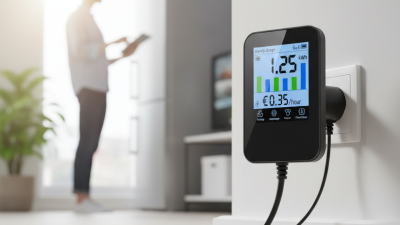
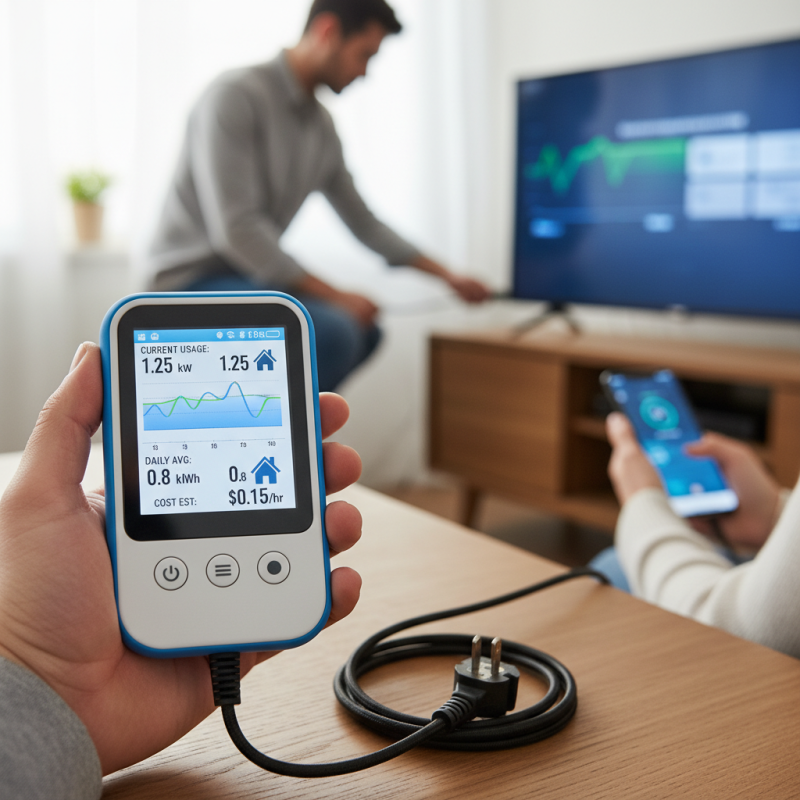
Portable energy monitors come in various forms. Many connect to electrical outlets, while others utilize clamp-on sensors to measure energy usage from specific appliances. Users can often access data through mobile apps or online dashboards. Such accessibility empowers users to make informed decisions about their energy habits.
Tips: For better savings, measure the energy consumption of high-demand appliances. This includes refrigerators and air conditioners. Small devices can also add up, so monitor chargers and TVs too.
Integrating a portable energy monitor offers insights that might change behavior. Some users report habits don’t change immediately. This necessitates patience in tracking results. Identifying areas of improvement can be challenging. However, continuous monitoring provides valuable data for those willing to adapt.
Key Components of a Portable Energy Monitor
Portable energy monitors are essential tools for managing electricity consumption. They provide real-time data on power usage, enabling users to make informed decisions about energy efficiency. Key components of these devices include sensors, a display unit, and connectivity features. Sensors measure the electrical current flowing through a circuit, while the display shows power metrics like wattage and kWh usage.
Connectivity is crucial. Many monitors use Wi-Fi or Bluetooth to communicate data to smartphones or other devices. According to the Energy Information Administration (EIA), households can save up to 20% on energy bills by utilizing energy monitors effectively. This emphasizes the importance of accurate data tracking.
Tip: When selecting a portable energy monitor, look for one with customizable alerts. This feature helps you stay informed about unusual energy spikes.
Additionally, some energy monitors integrate with home automation systems. They provide greater control over appliances. Reports suggest that households with smart energy management can reduce their carbon footprint significantly. Despite these advantages, not every monitor delivers precise readings. Calibration issues may arise, leading to potential inaccuracies in energy assessment.
Tip: Regularly check the calibration of your energy monitor. This ensures that the data reflects your true energy consumption.
How Portable Energy Monitors Measure Energy Consumption
Portable energy monitors are valuable devices that track energy consumption in real-time. They use sensors to collect data and provide insights into usage patterns. These monitors typically rely on current transform methods or smart plug technology to quantify energy use for individual appliances or entire homes.
A report from the U.S. Energy Information Administration indicates that residential energy costs can account for over 10% of household budgets. Portable energy monitors help users identify energy hogs, enabling them to make informed decisions about consumption. By visualizing usage in kilowatts or dollars, consumers can develop strategies to reduce waste.
Tips: To maximize savings, consider monitoring devices during peak usage hours. Small adjustments, like unplugging idle gadgets, can lead to noticeable reductions in bills. Another strategy is to set specific energy goals based on your monitor's data. This will keep your consumption in check and encourage mindful usage habits. Remember, each appliance contributes to your overall energy footprint, so awareness is key.
Benefits of Using a Portable Energy Monitor
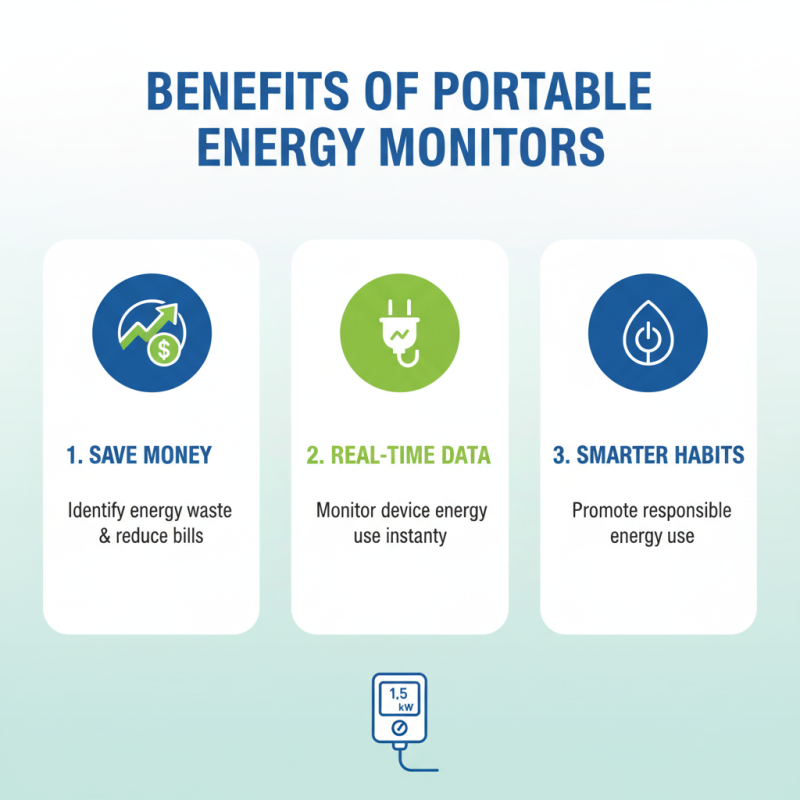
Portable energy monitors are crucial tools for anyone looking to manage their energy consumption. They provide real-time data on energy use, making it easier for users to identify patterns and waste. Monitoring your energy use can lead to significant savings over time. With a portable energy monitor, you can track devices that consume excess power. This awareness drives more responsible energy habits.
One major benefit of a portable energy monitor is its convenience. Unlike fixed installations, these devices can be easily moved to different outlets or appliances. This flexibility allows users to assess various devices without hassle. Additionally, understanding energy consumption can stimulate a desire to adopt energy-efficient practices. Sometimes, simply knowing the energy cost of using an appliance can prompt a change in behavior.
While these devices provide great insights, they are not flawless. Users might misinterpret data or overlook certain appliances. Regularly using a monitor is key to see long-term trends. It requires effort to understand and utilize the provided information effectively. Yet, being aware of energy consumption can inspire meaningful discussions about sustainability and energy conservation in our communities.
Applications of Portable Energy Monitors in Daily Life
Portable energy monitors offer significant benefits in daily life. These devices help individuals track energy consumption in real-time. According to the U.S. Department of Energy, households can save up to 15% on energy bills by monitoring usage. Users can find patterns through data, which can encourage smarter consumption decisions.
In daily applications, portable energy monitors can be invaluable. They can be used to optimize the energy use of appliances. For instance, monitoring a refrigerator's energy draw allows users to assess efficiency. This optimizes operation and extends appliance life. Unexpected spikes in energy can prompt investigations, like checking seals on doors or the condition of coils.
Adjusting energy usage based on monitor feedback is meaningful. Reports suggest that homes with energy-monitoring systems consume less energy. Personal responsibility plays a crucial role here. The act of tracking can reveal behavioral habits needing change. Identifying high-use periods can lead to shifts in usage, reducing overall consumption. However, it’s important to remember that technology alone won’t solve energy waste. Continued awareness and behavioral adjustments are essential for meaningful impact.
Portable Energy Monitor Usage in Different Applications