What is Hybrid Inverter Lcd Display and How Does It Work?
The Hybrid Inverter LCD Display is a vital component in modern energy systems. It combines solar and battery technologies for efficient energy management. With rising energy demands, understanding its operation is essential for consumers.
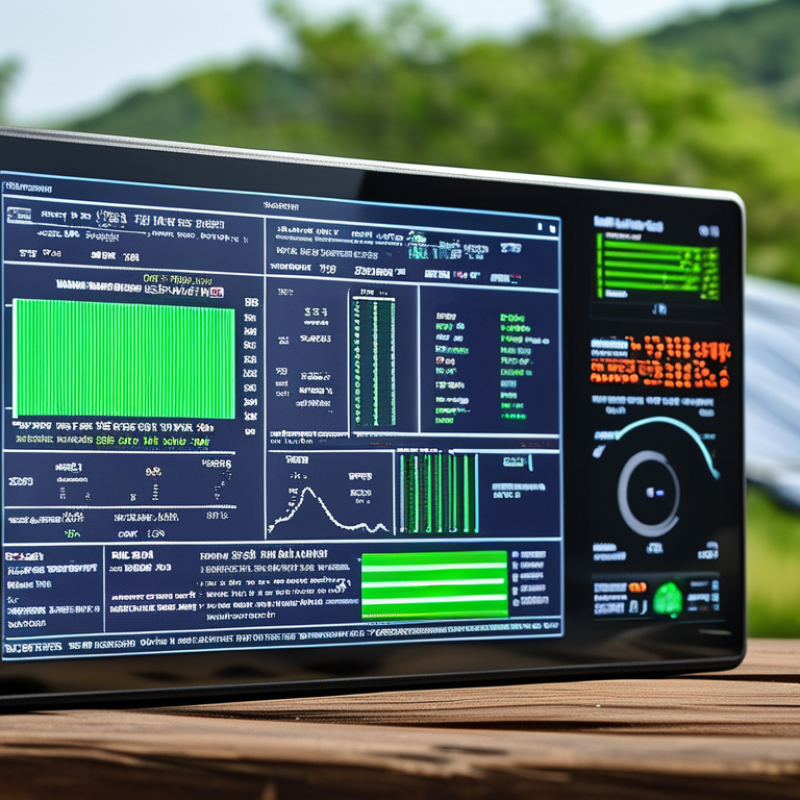
This display provides crucial real-time information about energy production and consumption. Users can monitor battery status and solar energy generation, enhancing overall efficiency. However, some users may find it overwhelming. The plethora of data might lead to confusion rather than clarity.
In recent years, advancements in hybrid inverter technology have improved reliability. Yet, not all models are created equal. Consumers must be cautious when choosing a hybrid inverter. A well-informed decision is crucial to ensure long-term benefits. Embracing new technologies is exciting, but reflection on their effectiveness remains important.
What is a Hybrid Inverter and Its Primary Functionality?
Hybrid inverters are versatile devices that combine the functionality of regular inverters and battery chargers. They manage the flow of energy from multiple sources, including solar panels, grid power, and battery storage. This allows users to optimize their energy consumption, reduce reliance on traditional power sources, and ensure a steady power supply during outages.
The primary function of a hybrid inverter is to intelligently regulate power usage. It directs solar energy to home appliances while storing excess energy in batteries. When solar production is low or energy demand is high, the inverter seamlessly draws power from the batteries. This dynamic management enhances energy efficiency and can lead to significant cost savings over time. However, it requires careful assessment of energy needs and usage patterns to maximize benefits.
A hybrid inverter's LCD display plays a crucial role in monitoring power usage. Users can track real-time data, including energy generation and consumption metrics. This transparency is beneficial, but it can also be overwhelming for some. The user interface may seem complex initially. Regular engagement with the data can lead to a deeper understanding, but it demands a willingness to learn and adapt.
Understanding the Role of LCD Displays in Hybrid Inverters
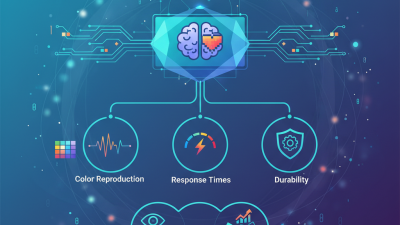
LCD displays play a crucial role in hybrid inverters, providing essential information to users. These displays show real-time data on energy production, consumption, and battery status. According to the Global Renewable Energy Report 2023, user-friendly interfaces significantly improve the overall experience for consumers, making effective energy management more attainable.
The clarity and responsiveness of LCD screens help users make informed decisions about their energy usage. A report from the International Energy Agency highlighted that better monitoring tools lead to a 20% increase in energy efficiency. This is especially important as households strive for sustainability and lower energy costs.
Tip: When selecting a hybrid inverter, prioritize models with intuitive LCD displays for optimal usability.
Despite advancements, some users may struggle with complex data interpretation. Simplifying the information on screens can enhance user experience. It's vital for manufacturers to receive feedback and make continuous improvements to display technology.
Tip: Regularly check for firmware updates that could improve display functionality.
Hybrid Inverter LCD Display Performance Analysis
This chart displays the key performance metrics of a hybrid inverter LCD display, illustrating the voltage output, current output, efficiency percentage, battery status, and load percentage under typical operational conditions.
Key Advantages of Using Hybrid Inverters in Solar Energy Systems
Hybrid inverters are essential in modern solar energy systems. They offer unique advantages that enhance efficiency and user experience. One key benefit is energy management. These inverters can optimize solar energy use by balancing power generation and energy storage. In many cases, homes see a reduction in energy bills by up to 30% when utilizing hybrid inverters. This is particularly relevant in regions with high electricity costs.
Another important aspect is their versatility. Hybrid inverters can integrate with various energy sources. This flexibility allows homeowners to combine solar, wind, and battery systems. According to industry reports, over 40% of new solar installations now feature hybrid technology. This trend indicates a significant shift towards sustainable energy solutions. Users appreciate how these systems adapt to changing energy needs and consumption patterns.
Despite their advantages, hybrid inverters are not without challenges. Initial installation costs can be higher than traditional systems. Installation complexity can also pose issues, especially for those unfamiliar with new technology. However, many users find that the long-term savings outweigh these early hurdles. As the industry evolves, continued improvements are expected. This evolution may lead to more user-friendly designs and cost-effective solutions in the near future.
What is Hybrid Inverter Lcd Display and How Does It Work? - Key Advantages of Using Hybrid Inverters in Solar Energy Systems
| Feature |
Description |
Advantages |
| LCD Display |
A Liquid Crystal Display that shows real-time data on solar energy generation, battery status, and power usage. |
Easy monitoring of performance and efficiency. |
| Batteries |
Integrated energy storage that allows for use during non-sunny hours. |
Increased energy independence and reliability. |
| Grid Support |
Ability to feed excess solar energy back into the grid. |
Potentially earn credits or reduce electricity bills. |
| Efficiency |
High conversion rates for energy from solar to usable electricity. |
Maximizes solar panel output. |
| Smart Technology |
Advanced monitoring and control systems for maximizing energy use. |
Optimizes performance based on usage patterns and weather conditions. |
How Hybrid Inverters Optimize Energy Consumption and Storage
Hybrid inverters play a crucial role in optimizing energy consumption and storage in modern energy systems. These devices combine the functionalities of solar inverters and battery chargers. They manage energy flow from solar panels, batteries, and the grid. The efficiency of these systems lies in their ability to balance energy supply and demand seamlessly.
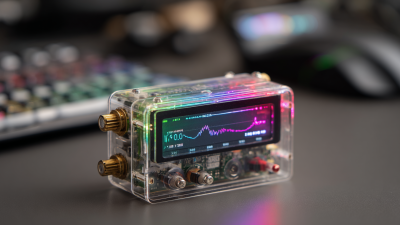
One notable feature is the LCD display, which provides real-time data on energy production and usage. Users can monitor solar generation, battery status, and consumption patterns at a glance. This visibility helps users adjust their energy habits effectively. Over time, habits can become less efficient. For instance, users might not realize peak usage times. Awareness through monitoring can provoke necessary changes.
Hybrid inverters also include smart algorithms that prioritize energy use. They can store excess energy and release it when needed. Yet, not all systems reach their full potential. Challenges like poor installation or inadequate maintenance can hinder performance. Regular checks are vital to ensure longevity and functionality. Users should reflect on their energy needs and usage patterns to maximize benefits from these systems.
Industry Trends: The Evolution and Impact of LCD Technology in Inverters
The development of LCD technology has significantly impacted the inverter market, particularly hybrid inverters. These devices combine solar and battery power, providing an efficient energy solution for homes and businesses. The integration of LCD displays enhances user experience by delivering real-time performance data. This feature allows users to monitor energy production and consumption easily.
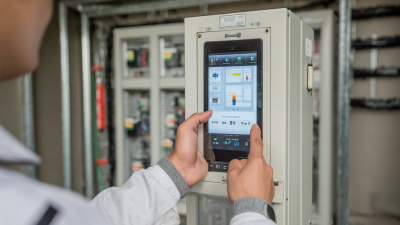
One key trend is the shift towards larger, high-resolution screens. Users benefit from clearer visuals and more detailed statistics. This improvement supports better decision-making regarding energy use. Additionally, touchscreens are becoming more common. They simplify accessing settings and parameters, making technology more user-friendly.
Tips: When choosing an inverter with an LCD display, consider the screen size and clarity. A larger display can improve readability. Also, look for models with customizable interfaces. This allows for easier navigation through features and settings. Regularly checking the data can help you optimize energy consumption effectively.
Despite these advancements, there are concerns. Some users find that high-tech interfaces can be overwhelming. Others may feel anxious about relying on technology for energy management. It’s essential to balance advancements and user-friendliness. Addressing these issues can lead to a better user experience overall.