Top 10 Full Color LCD Display Features Buyers Must Know
In today's world, Full Color LCD Displays are crucial in various industries. These displays transform the way we experience visual content. Renowned expert Dr. James Turner, a leader in display technology, once stated, "Understanding the features of Full Color LCD Displays can significantly impact your buying decision." His insights highlight the importance of knowing what to look for when choosing these displays.
The market is filled with choices, yet not all Full Color LCD Displays offer the same quality or features. Buyers often struggle with overwhelming options and vague descriptions. Key features such as resolution, brightness, and color accuracy are essential. Without a clear understanding of these aspects, one might end up making a less informed decision.
Investing in a Full Color LCD Display should be based on informed choices. Potential buyers need to think critically about what truly matters to them. Are vivid colors essential for your application? Or is energy efficiency a priority? Reflecting on these questions can lead to a more satisfying purchase. Knowledge is power, especially in a landscape filled with options.
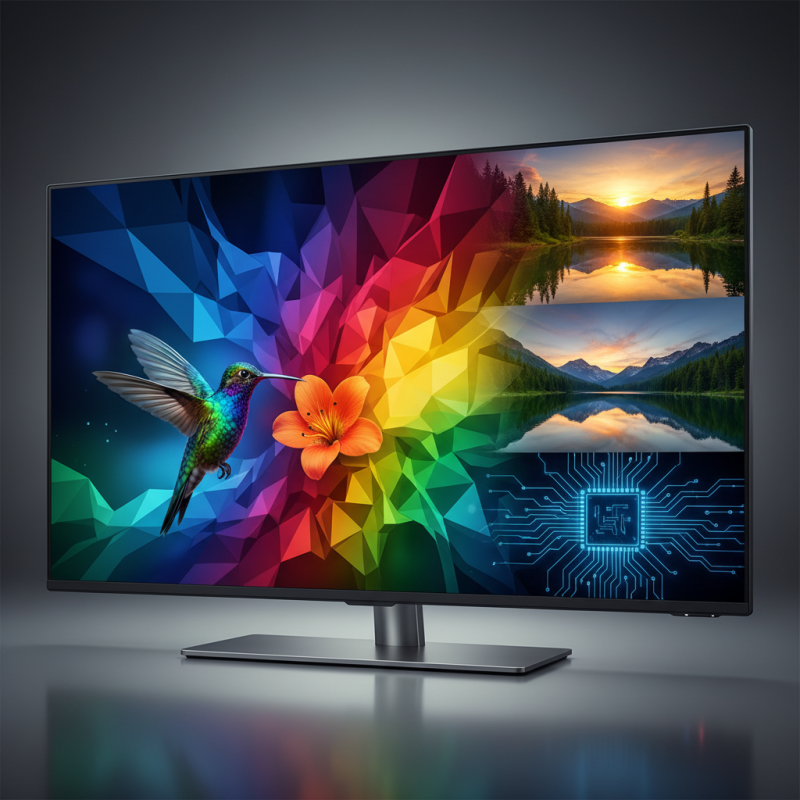
Top 10 Full Color LCD Display Features Buyers Must Know
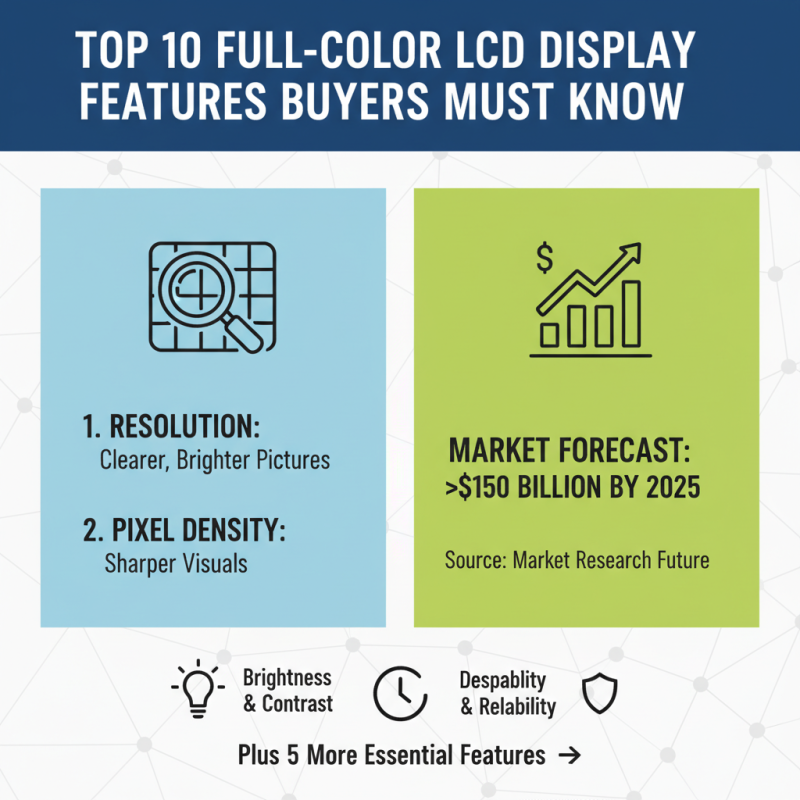
When considering a full-color LCD display, buyers should focus on essential features. One critical aspect is resolution. High resolution provides vibrant images. According to a report by Market Research Future, the global LCD market is expected to surpass $150 billion by 2025. Buyers should pay attention to the pixel density as well. Higher pixel density results in sharper visuals, enhancing the overall experience.
Color accuracy is another key factor. Displays that cover a wide color spectrum can yield stunning visuals. An industry study revealed that 50% of consumers prioritize color accuracy in their purchasing decisions. Furthermore, brightness levels play a significant role. A typical display has a brightness of 250-400 nits. In brighter environments, effective brightness is essential. Without it, colors can look washed out.
Viewing angles also greatly impact usability. A display with wider viewing angles ensures consistent color from different perspectives. Research shows that poor viewing angles can reduce engagement by 30%. Additionally, response time is noteworthy. A delay can lead to ghosting effects in fast-moving images. Buyers should consider these factors closely to make informed choices. The right display enhances user experience and satisfaction.
Understanding Resolution: Importance of Pixels in Display Quality
Resolution plays a crucial role in the quality of full-color LCD displays. Pixels are the building blocks of any screen. A higher pixel count leads to sharper images and more vibrant colors. For instance, a display with 1920 x 1080 resolution offers a clearer picture than one with 1280 x 720. This is especially important for detailed graphics and high-definition videos.
However, more pixels do not always guarantee better quality. Other factors include contrast ratio and color accuracy. A display may have a high pixel count but still produce dull colors. Additionally, viewing distance matters. You may not notice the difference between high and lower resolutions if you sit far away. Understanding these aspects helps buyers make informed decisions.
Potential buyers often overlook the importance of pixel density. This metric indicates how many pixels are packed into an inch. Displays with a higher pixel density generally provide a more detailed image. Yet, it’s easy to be swayed by flashy advertisements. Reflecting on how you plan to use the display can help clarify what specifications truly matter.
Color Gamut: Evaluating Display Color Accuracy and Range
Understanding color gamut is crucial for evaluating display quality. The color gamut defines the range of colors a display can reproduce. A wider gamut means more vibrant and accurate colors, which is essential for professionals in design and photography. A reliable full-color LCD should cover a significant portion of standard color spaces like sRGB and Adobe RGB.
Color accuracy impacts how true-to-life images appear. Displays can deviate in colors, leading to misrepresentation, especially in critical visual tasks. It is vital to assess how well a monitor can display skin tones or natural landscapes. Minor inaccuracies can make a considerable difference in professional work.
Tips: Always check the color coverage specifications before purchasing a display. Look for models that offer excellent factory calibration. Remember, though, actual performance can vary. It’s wise to consult reviews from professionals who have tested the displays extensively. Also, consider using calibration tools to ensure your settings are accurate.
Refresh Rate: Impact on Motion Clarity and User Experience
When considering a full-color LCD display, the refresh rate is crucial. It significantly influences motion clarity and overall user experience. A higher refresh rate delivers smoother motion during fast-paced activities. This is vital for gaming and watching sports. Users often overlook this feature. Low refresh rates can result in motion blur, causing frustration during action scenes.
For optimal clarity, aim for displays with refresh rates of at least 60Hz. However, professional gamers usually prefer 144Hz or even higher. This preference is not without reason. Higher rates reduce motion lag, making it easier to track fast-moving objects. Yet, some users might not notice the difference in everyday tasks. Casual streaming may not demand the highest rates, but understanding this aspect can enhance enjoyment.
An ideal balance is necessary. Cost often increases with higher refresh rates. Buyers must assess their usage needs carefully. Investing in a high refresh rate may not be prudent for everyone. It’s essential to prioritize what truly enhances your viewing experience.
Brightness and Contrast Ratio: Key Factors for Visibility in Varied Settings
Brightness and contrast ratio are crucial for viewing displays in varied environments. A display may perform differently in bright sunlight compared to a dimly lit room. This performance gap affects user experience significantly. In bright settings, a higher brightness level ensures visibility. Without it, intricate details might fade away, leaving users frustrated.
Contrast ratio measures the difference between the darkest and lightest parts of the screen. A stark contrast enhances clarity. Displays with lower contrast can make images appear washed out. This can make it tough to interpret content accurately. Users must consider their typical usage conditions. Should the display be used outdoors, higher brightness and contrast become essential.
Not all displays meet expectations. Even reputed manufacturers may miss the mark in producing adequate brightness or contrast. This inconsistency is a point of concern. Buyers should look for comprehensive tests or reviews that highlight these features. Checking the specifications is just the starting point. Real-world performance often varies. Understanding these factors leads to better choices for effective displays.
Conclusion
When considering a Full Color LCD Display, several critical features significantly influence the quality of the viewing experience. Understanding resolution is paramount, as it determines the display's pixel density and clarity. The color gamut further enhances this clarity by indicating the range and accuracy of colors displayed, which is essential for visual fidelity. Refresh rates also play a crucial role, particularly in motion clarity for video and gaming, ensuring smooth transitions and reducing motion blur.
Additionally, brightness and contrast ratio are vital for visibility across various environments, impacting how well images can be seen in both bright and dim settings. The response time is another important factor, especially for gamers and video enthusiasts, as it affects how quickly a display can update images and handle fast-moving content. By focusing on these aspects, buyers can make informed decisions when selecting the ideal Full Color LCD Display for their needs.