10 Essential Tips for Using a Portable Energy Monitor to Save on Bills
In today's world, where energy conservation is more crucial than ever, homeowners and businesses alike are seeking innovative solutions to optimize their energy usage and reduce their bills. One such invaluable tool is the Portable Energy Monitor, a compact device that empowers users to track real-time energy consumption with ease. By harnessing the capabilities of this technology, individuals can identify energy-hungry appliances, monitor usage patterns, and make informed decisions that lead to significant savings.
As we approach 2025, the demand for efficient energy management continues to rise, encouraging the development and adoption of advanced digital tools. The Portable Energy Monitor stands out among these technologies due to its versatility and user-friendly design. With the right approach, it can not only help in cutting down utility costs but also promote sustainable practices that contribute to a greener planet.
In this article, we will explore ten essential tips to effectively utilize a Portable Energy Monitor, equipping you with the knowledge needed to take control of your energy usage and enhance your financial well-being.
Understanding Portable Energy Monitors: Features and Benefits
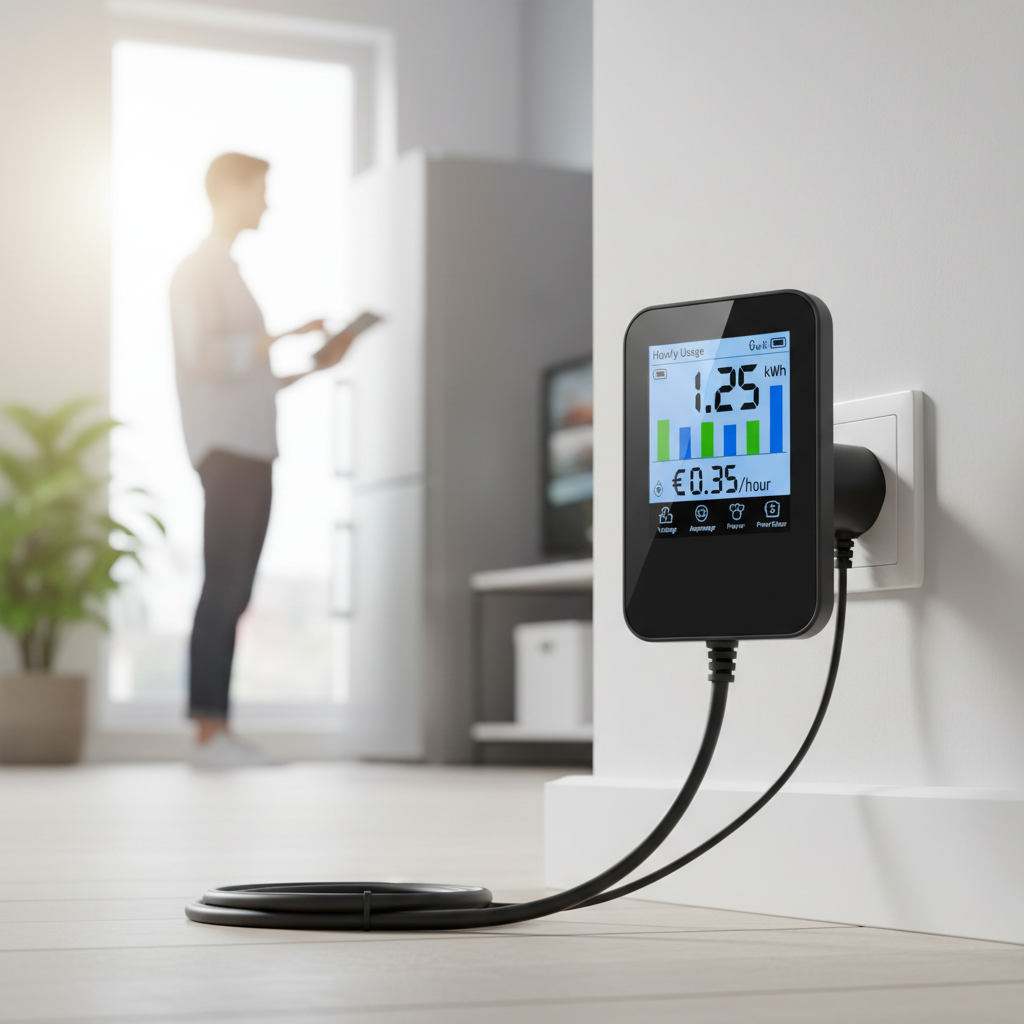
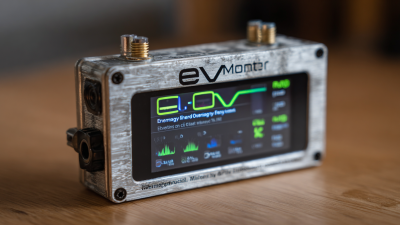
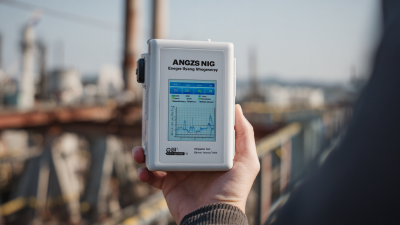
Portable energy monitors have revolutionized the way we track and manage our energy consumption. These compact devices are designed to provide real-time data on electricity usage, helping homeowners understand which appliances are consuming the most power. By offering insights into energy habits, users can make informed decisions that lead to significant savings on utility bills. Key features to look for in a portable energy monitor include easy setup, compatibility with multiple devices, and the ability to track usage patterns over time.
One of the main benefits of using a portable energy monitor is its potential to identify energy waste. With instant feedback on usage, users can pinpoint electrical hogs and adjust their habits accordingly, whether that means unplugging devices when not in use or investing in energy-efficient alternatives. Additionally, many models come with smartphone apps that allow for remote monitoring, making it convenient to keep track of energy consumption anytime, anywhere. This combination of accessibility and insight empowers consumers to take control of their energy expenses, leading to a more sustainable lifestyle.
Setting Up Your Energy Monitor for Accurate Readings
Setting up your portable energy monitor correctly is crucial for obtaining accurate readings that can help you save on energy bills. Begin by carefully selecting the right location for the monitor; it should be plugged into an easily accessible outlet while ensuring that the device you are monitoring is also close by. This proximity not only facilitates connectivity but also minimizes potential interference from other electronic devices, which can skew the readings. Ensure that the monitor is positioned upright and away from heat sources to maintain optimal performance.
After securing the proper setup, take the time to familiarize yourself with the monitor’s features. Many devices offer customizable settings that allow users to track energy consumption patterns over time. Adjust the settings to reflect the energy rates in your area, as this will provide you with a more accurate representation of your expenditure. Monitoring the device regularly is essential; check for any anomalies in usage that could indicate efficiency problems or potential areas for improvement in your energy consumption habits. By maintaining an accurate setup and utilizing the features effectively, you can leverage your portable energy monitor to make informed decisions and optimize your energy usage.
Analyzing Your Energy Consumption Patterns Using Data Insights
Understanding your energy consumption patterns is crucial for maximizing savings on utility bills, and a portable energy monitor can provide invaluable insights. According to a report by the U.S. Energy Information Administration (EIA), residential energy consumption averages about 877 kWh per month, making it essential to identify how and where energy is used. By leveraging a portable energy monitor, you can analyze real-time data on your appliances, helping to pinpoint energy hogs and optimize usage.
The insights gathered from continuous monitoring can reveal trends in your energy consumption, allowing for informed decisions about usage modifications. For instance, the Lawrence Berkeley National Laboratory found that households that actively track their energy consumption can reduce their energy bills by 5% to 15% simply by becoming more aware of their usage patterns. If you notice that certain appliances contribute disproportionately to your overall consumption, you can take steps to reduce their usage, such as utilizing energy-efficient models or shifting usage to off-peak hours, ultimately leading to higher savings on your bills.
Energy Consumption Analysis for Cost Savings
This bar chart displays the monthly energy consumption in kilowatt-hours (kWh) for an entire year. By analyzing the data, users can identify peak consumption months and adjust their energy usage to save on bills.
Identifying Energy-Hogging Appliances to Cut Costs
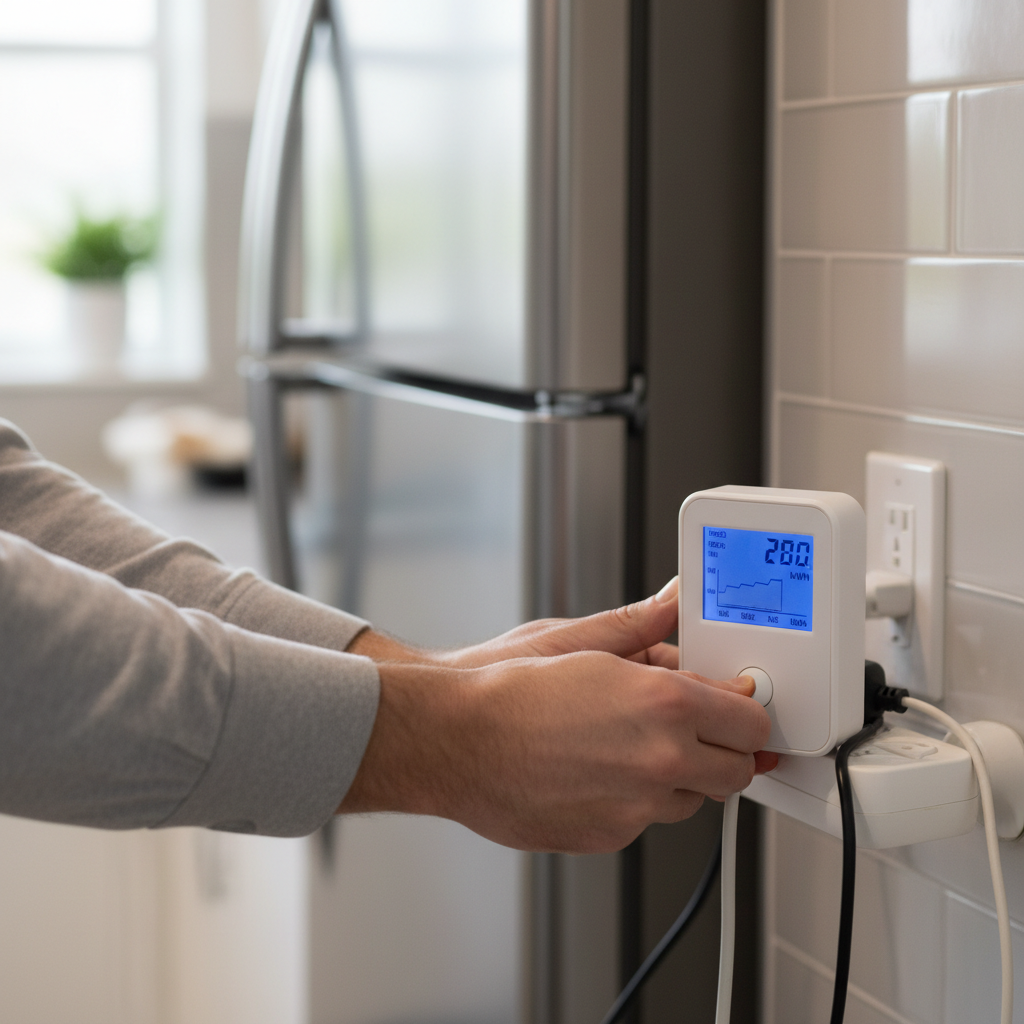
Identifying energy-hogging appliances is a crucial step in reducing your electricity bills. By utilizing a portable energy monitor, you can gain real-time insights into the energy consumption of your household devices. Simply plug the monitor into any outlet and connect your appliance to it. This allows you to track how much energy each device uses, helping you identify those that consume more power than necessary.
Once you have identified energy-hogging appliances, you can take proactive measures to mitigate their impact on your utility bills. Consider replacing outdated units with energy-efficient models, which often use significantly less energy. Additionally, develop habits such as unplugging devices when not in use or using power strips to make it easier to turn off multiple items at once. By being informed about your energy consumption, you can cut costs effectively and contribute to a more sustainable household.
Utilizing Alerts and Trends to Optimize Energy Usage
Using a portable energy monitor can be a game-changer for managing your energy bills. By setting up alerts and tracking usage trends, you'll gain valuable insights into your consumption patterns. These alerts can notify you when your energy use spikes or when you're approaching your typical threshold, allowing you to make real-time adjustments. For instance, if you notice high consumption during certain hours, you might choose to shift significant energy usage tasks to off-peak times.
Additionally, analyzing trends over time can reveal the effectiveness of various energy-saving strategies. Are you seeing reduced costs after implementing certain changes? By regularly reviewing your usage data, you can identify which actions yield the best results. This enables you to optimize your energy usage more effectively, ultimately leading to substantial savings. Start by experimenting with these features on your energy monitor today, and watch how small changes can lead to big benefits on your bills.
10 Essential Tips for Using a Portable Energy Monitor to Save on Bills - Utilizing Alerts and Trends to Optimize Energy Usage
| Tip Number |
Tip Description |
Expected Savings (%) |
Frequency of Use |
| 1 |
Set Energy Alerts for Peak Usage |
10% |
Daily |
| 2 |
Monitor Energy Usage Trends Monthly |
15% |
Monthly |
| 3 |
Utilize Historical Data for Planning |
5% |
Seasonally |
| 4 |
Compare Device Energy Usage |
8% |
Weekly |
| 5 |
Turn Off Idle Devices |
20% |
Daily |
| 6 |
Adjust Thermostat Settings |
12% |
Daily |
| 7 |
Identify High Consumption Appliances |
18% |
Weekly |
| 8 |
Schedule Energy-Intensive Tasks Wisely |
10% |
Weekly |
| 9 |
Use Energy Efficiency Mode on Devices |
7% |
Daily |
| 10 |
Engage Family in Energy Saving Initiatives |
5% |
Monthly |