How to Choose the Right Hexagonal Wire Mesh for Your Project?
Choosing the right hexagonal wire mesh for your project can be challenging. This versatile material has various applications, from garden fencing to industrial uses. When selecting the right type, consider factors like material strength, mesh size, and purpose.
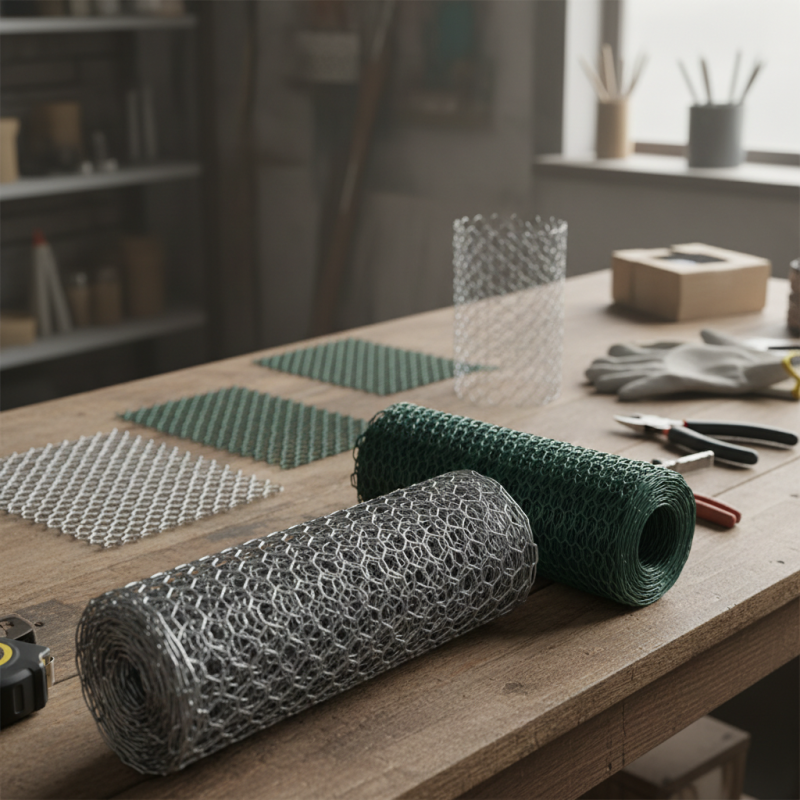
hexagonal wire mesh comes in different gauges and coatings. Each option offers unique benefits. For instance, galvanized hexagonal wire mesh is durable and resistant to rust. On the other hand, PVC-coated mesh provides added protection and flexibility. The choice largely depends on the environment it will be used in.
It’s important to reflect on your specific needs. Sometimes, the cheapest option isn’t the best. A more durable choice can save costs in the long run. As you start your project, think carefully about these aspects. Taking the time to evaluate your options will lead to better outcomes. In the end, the right hexagonal wire mesh can enhance the longevity and effectiveness of your project.
Understanding Different Hexagonal Wire Mesh Materials and Their Properties
Choosing the right hexagonal wire mesh starts with understanding the materials. Different materials offer various properties. Common options include galvanized steel, stainless steel, and plastic-coated wire. Galvanized steel is highly durable. It resists rust and corrosion, making it ideal for outdoor use. According to industry reports, it can last up to 20 years with proper maintenance.
Stainless steel offers even greater strength and longevity. It is resistant to heat and corrosion, making it suitable for harsh environments. However, it comes at a higher cost. Plastic-coated wire mesh provides a balance between aesthetics and protection. It is available in various colors and can resist fading. Yet, it may not be as strong as metal options.
Awareness of these properties is crucial for project success. Selecting the wrong material can lead to unforeseen challenges. For example, using plastic mesh in high-stress areas could result in frequent replacements. Reflecting on these choices can save time and resources. Always assess your project’s specific needs before deciding.
Assessing the Appropriate Wire Gauge for Hexagonal Mesh Applications
Choosing the right wire gauge for hexagonal wire mesh is crucial for any project. The wire gauge significantly affects strength, durability, and suitability for specific applications. Typically, hexagonal wire mesh ranges from 1 to 12 gauges. Thicker gauges, like 1 or 2, offer greater stability but may be heavier and more difficult to handle. Conversely, lighter gauges are easy to install but may not withstand heavy loads.
Industry studies indicate that using a 14-gauge mesh can provide adequate support for garden fencing or small animal enclosures. However, for more demanding uses, such as agricultural or industrial applications, opting for a 6-gauge mesh tends to be more effective. It's essential to analyze the project's requirements carefully. A mesh that is too thin may fail under pressure, while an overly thick mesh can add unnecessary weight and cost.
Often overlooked, the environmental factors also play a role in choosing the wire gauge. Areas prone to high winds or heavy snow may require a stronger gauge to prevent sagging or damage. Understanding the balance between strength and versatility is vital. While it's tempting to default to a heavier mesh, reevaluating specific needs can lead to more efficient solutions.
How to Choose the Right Hexagonal Wire Mesh for Your Project? - Assessing the Appropriate Wire Gauge for Hexagonal Mesh Applications
| Wire Gauge | Mesh Size (inches) | Application | Material Type | Corrosion Resistance |
| 10 | 0.625 | Animal enclosures | Galvanized Steel | Good |
| 12 | 0.5 | Garden fencing | Stainless Steel | Excellent |
| 14 | 0.375 | Architectural features | Vinyl Coated Steel | Moderate |
| 16 | 0.25 | Erosion control | Plastic | Good |
Evaluating Hexagonal Mesh Opening Sizes for Optimal Strength and Function
When choosing hexagonal wire mesh, opening size is crucial. Larger openings can provide airflow and visibility, but they may compromise strength. Smaller openings offer better support and security, especially for heavy materials. Finding the right balance is key. For example, a mesh with half-inch openings might be perfect for garden fencing, while quarter-inch openings work better for smaller animals.
It's easy to overlook these details. A heavy wind could damage a fence with larger openings. Damaging events often happen unexpectedly. Additionally, odd mesh selections can lead to functionality issues. If you choose a size that is too small, installation can become frustrating. Consider the project's end goal carefully to avoid future headaches and repairs. Ultimately, the right opening size depends on your specific needs. Proper evaluation and reflection on your project requirements can guide you toward a more effective choice.
Application Suitability: Choosing Hexagonal Wire Mesh for Various Industries
Choosing the right hexagonal wire mesh involves understanding its application in various industries. In construction, hex mesh provides excellent reinforcement. It’s commonly used in retaining walls and fences. According to a 2021 market report, the global market for wire mesh is projected to reach $10 billion by 2025. This growth highlights its importance in construction.
In agriculture, hexagonal wire mesh plays a crucial role. It protects crops from pests while allowing airflow. Reports indicate that agricultural mesh usage can reduce pest damage by up to 40%. This data showcases its efficiency but also suggests a need for careful selection based on project specifics.
In landscaping, hexagonal wire mesh serves decorative purposes. It can stabilize soil and create appealing structures. Yet, not all types suit every environment. Professionals need to evaluate factors like corrosion resistance and load capacity. Making the right choice can be challenging and requires attention to detail.
Key Industry Standards and Certifications for Hexagonal Wire Mesh Quality
When selecting hexagonal wire mesh, it’s essential to consider industry standards and certifications. These benchmarks ensure that the material meets safety and performance requirements. For example, ASTM A641 specifies the standards for the manufacturing process. It helps to ensure the wire's diameter and tensile strength are reliable. A report by the International Wire and Mesh Association indicates that mesh quality affects durability by up to 30%.
Tips: Always check for certifications such as ISO 9001. This certification indicates a commitment to quality management. Mesh that meets these standards generally offers greater resistance to corrosion and rust.
Furthermore, look for the wire gauge and mesh opening size relevant to your project. The right specifications can significantly impact safety and functionality. A mesh with a larger opening may be lighter but lacks the strength necessary for some applications. According to a recent study, improper selection can lead to structural failures. It’s crucial to analyze your project's needs carefully. Quality control often gets overlooked but is vital for long-term performance.