How to Choose the Best True Color Lcd Screen for Your Needs?
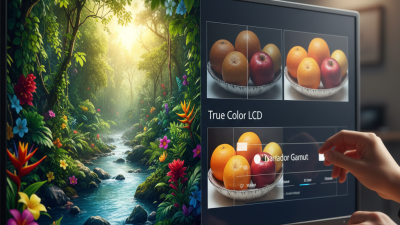
Choosing the right True Color LCD Screen can be a daunting task. With the market booming, it’s crucial to understand your specific needs. According to a recent report by DisplayMate, colors can vary significantly across different screen models. High-quality True Color LCD Screens provide more accurate color reproduction. This is essential for photographers and designers.
While many screens advertise 'true color' capabilities, not all deliver. A study by TechRadar emphasizes that users often overlook factors like brightness, contrast ratios, and viewing angles. These elements directly influence the visual experience. Investing in a high-quality screen may prevent future disappointments. It’s not just about the specs; real-world application matters.
User reviews often highlight issues with color accuracy and calibration. A True Color LCD Screen should ideally come pre-calibrated. Even then, regular adjustments may be necessary. Reflecting on personal use cases can aid in making an informed decision. After all, the right screen enhances creativity and productivity.
Understanding True Color LCD Screens: Definition and Features
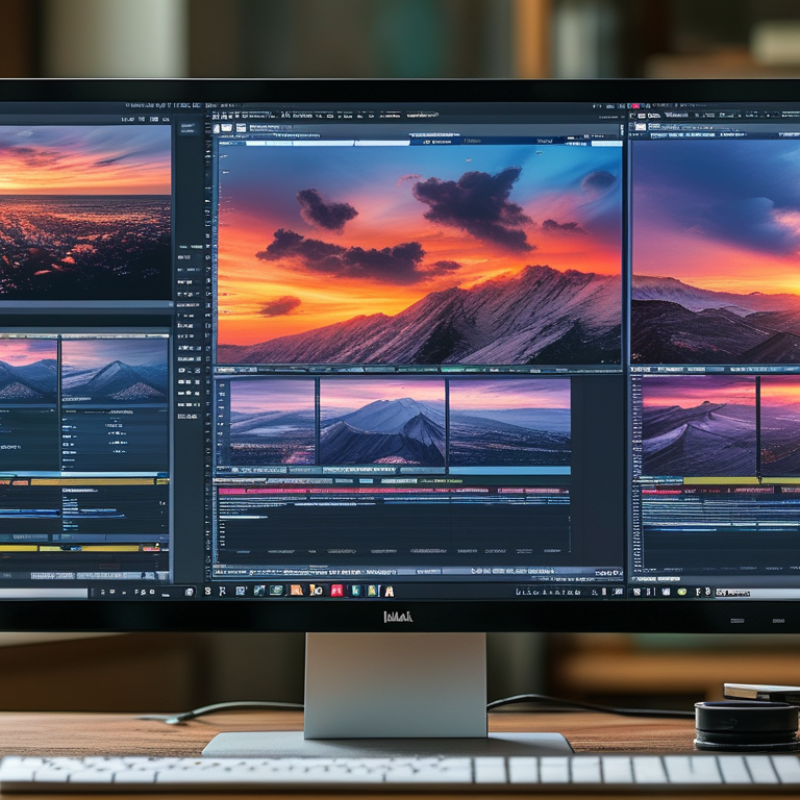
True color LCD screens display a wide spectrum of colors, closely resembling natural hues. They utilize advanced technology such as IPS or VA panels. This allows for vibrant colors and better viewing angles. The result is a more true-to-life image, beneficial for various applications. Often, users seek screens for design work, gaming, or general use.
When choosing a true color LCD, consider the color accuracy. A higher color depth is crucial for professionals in photography or graphic design. Look for screens with at least 8-bit color depth. Users often overlook the importance of calibration. Regular calibration ensures that colors remain consistent and reliable over time.
Tip: Check the screen's resolution as well. A higher resolution enhances detail and clarity. Look for at least 1080p for general use and 4K for detailed visual work. Also, assess the screen's brightness levels. A bright screen is vital for outdoor use or well-lit environments. It’s easy to dismiss these factors, yet they significantly impact your experience.
Key Factors to Consider When Choosing a True Color LCD Screen
When selecting a true color LCD screen, consider its color accuracy. A screen with a high color gamut will deliver more vibrant and true-to-life colors. Check for specifications like sRGB and Adobe RGB coverage. Not all screens provide the same level of detail. Look for reviews from professionals who have tested these screens in real-world scenarios. Real feedback adds valuable insights.
Another aspect is the screen size and resolution. A larger screen may not always be the best choice if the resolution is low. Pixel density matters significantly for clarity. Details could be lost on larger displays if they don't have sufficient resolution. Think about your workspace. Will the screen fit comfortably on your desk without overwhelming the space?
The brightness and contrast ratio are also crucial. A bright display can combat glare from light sources. But excessive brightness can be harsh on the eyes. Finding a balance is vital. Calibration tools can help optimize these settings. Keep in mind, not every screen comes perfectly calibrated out of the box. Sometimes, additional adjustments are necessary for an optimal viewing experience.
Comparing Different Types of True Color LCD Screens Available
When selecting true color LCD screens, understanding the differences in technology can guide your choice. Traditional Twisted Nematic (TN) panels are budget-friendly but lack in color depth and viewing angles. In contrast, In-Plane Switching (IPS) screens offer superior color accuracy and better viewing angles. Research indicates that IPS panels display over 100% of the sRGB color spectrum, making them ideal for design work.
Another option is Organic Light Emitting Diode (OLED) displays. They provide vibrant colors and deep blacks due to self-emitting pixels. A report from DisplayMate points out that OLED can achieve contrast ratios reaching 1,000,000:1. However, they can be prone to burn-in issues, which is a crucial consideration for prolonged use.
For professional use, Color Management Systems (CMS) integrated within LCD screens can ensure color accuracy. Calibration capabilities can significantly impact visual output. A study from the International Color Consortium highlights that calibration reduces color discrepancies by up to 30%. However, not all screens come with this feature, which might present complications if precision is essential for your work.
Assessing Your Specific Needs for Optimal Screen Size and Resolution
When choosing the best true color LCD screen, evaluate your specific needs carefully. Screen size matters significantly. A larger screen can enhance your viewing experience for tasks like graphic design and video editing. However, consider your workspace. An oversized screen in a small room can be overwhelming and impractical. Think about how far you will sit from the screen. This distance affects how well you can see details.
Resolution plays a crucial role in image clarity. A higher resolution allows for more detail, making it vital for professional use. But if you primarily consume content, a lower resolution might suffice. Reflect on the content you will display. For vibrant colors and sharp images, higher resolution is preferable. Yet, scaling up can lead to diminishing returns. Weigh your choices against the price of high-resolution displays, as they can be significantly more expensive.
Consider ergonomic factors too. If you'll use the screen for long hours, think about viewing angles and eye strain. Adjustable screens can help you find the best position. It’s good to note that even true color LCDs can have color variations. Testing the display in different lighting can reveal inconsistencies. Always approach your choice with a critical eye. Aim for a balance that meets both your aesthetic and functional criteria.
How to Choose the Best True Color LCD Screen for Your Needs?
| Screen Size (inches) |
Resolution |
Aspect Ratio |
Color Accuracy (% sRGB) |
Refresh Rate (Hz) |
| 24 |
1920 x 1080 |
16:9 |
99% |
60 |
| 27 |
2560 x 1440 |
16:9 |
95% |
144 |
| 32 |
3840 x 2160 |
16:9 |
98% |
60 |
| 34 |
3440 x 1440 |
21:9 |
90% |
100 |
Evaluating Brands and Models for Quality and Reliability
When evaluating brands and models of true color LCD screens, consider quality and reliability as key factors. Research shows that over 50% of consumers report dissatisfaction with color accuracy. This underscores the importance of scrutinizing display specifications. Look for products with high color gamut coverage, ideally above 95% in the Adobe RGB spectrum. This indicates a better ability to reproduce vibrant and realistic colors.
Additionally, reliability is critical. A report by a leading technology research firm found that screens with a decent operating life of around 30,000 hours tend to outperform others in terms of customer satisfaction. Frequent issues include backlight irregularities and color shifts, which can occur in lower-quality models. Pay attention to user reviews that highlight long-term performance. Those products that receive consistent praise for durability are often worth a second glance.
While finding the perfect true color LCD screen, don’t ignore compatibility with existing systems. Issues can arise unexpectedly. Some models might require specific drivers, leading to frustration. It's essential to assess not just the screen's capabilities but how it fits into your overall setup. Emphasizing these details can help in making an informed decision that aligns with your expectations.
Comparison of Key Features in True Color LCD Screens